



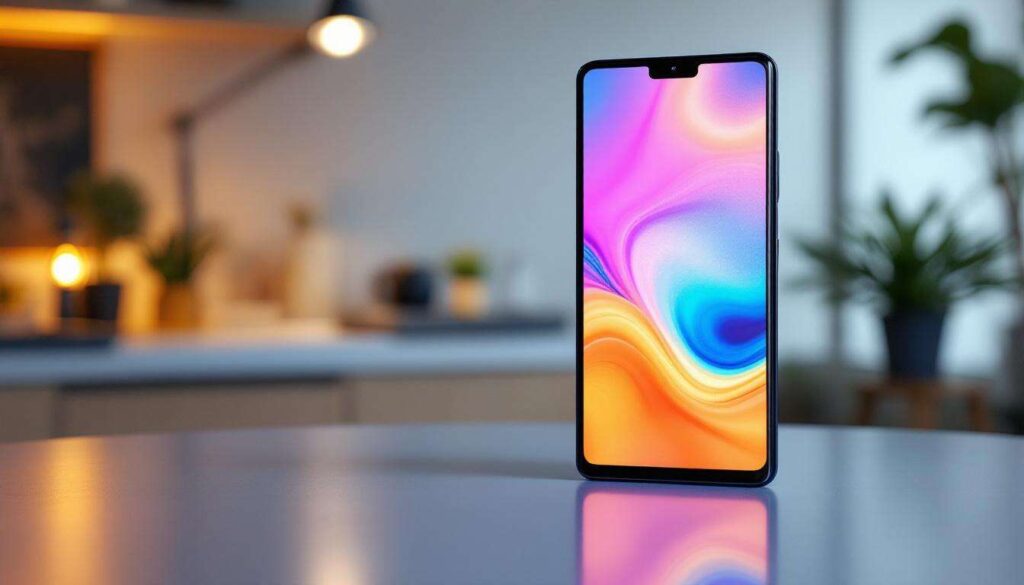
The flagship smartphone battle intensifies as Samsung and Google unveil their latest premium offerings. The Samsung Galaxy S26 Ultra and Google Pixel 10 Pro XL represent the pinnacle of Android innovation, each powered by cutting-edge processors that promise to redefine mobile performance. Samsung’s collaboration with Qualcomm brings the Snapdragon 8 Elite Gen 2 to the forefront, while Google doubles down on its custom silicon strategy with the Tensor G5 chip. These devices showcase distinct philosophies in smartphone design, camera technology, and user experience, making the choice between them more challenging than ever for consumers seeking the ultimate Android experience.
Introduction to the two smartphones
The Samsung Galaxy S26 Ultra continues the company’s tradition of delivering feature-packed flagship devices with premium materials and expansive specifications. This iteration builds upon Samsung’s established reputation for display excellence and versatile camera systems, incorporating the latest Snapdragon processor to deliver raw computational power.
Samsung Galaxy S26 Ultra specifications overview
Samsung’s flagship features a 6.9-inch Dynamic AMOLED display with adaptive refresh rates reaching 120Hz. The device incorporates up to 16GB of RAM and storage options extending to 1TB. The camera system includes a 200-megapixel primary sensor, accompanied by multiple telephoto and ultra-wide lenses that provide exceptional versatility for photography enthusiasts.
Google Pixel 10 Pro XL key features
Google’s contender showcases a 6.8-inch LTPO OLED panel designed for optimal power efficiency and visual quality. The Tensor G5 chip represents Google’s third generation of custom silicon, specifically engineered to excel at artificial intelligence tasks and computational photography. With up to 12GB of RAM and 512GB storage configurations, the Pixel prioritizes software optimization over raw specifications.
Both manufacturers have positioned these devices as comprehensive flagship experiences, though their approaches to achieving excellence differ significantly in hardware choices and software integration strategies.
Design and display: what’s the major difference ?
The design philosophies of these two smartphones reflect their manufacturers’ distinct brand identities. Samsung embraces a more angular, industrial aesthetic while Google opts for refined minimalism.
Build quality and materials
The Galaxy S26 Ultra features a titanium frame with Gorilla Glass Victus 3 protection on both front and rear panels. The device measures 163.4 x 78.1 x 8.9mm and weighs approximately 234 grams, giving it a substantial feel that communicates premium quality. Samsung includes an integrated S Pen stylus, adding functionality that creative professionals appreciate.
Google’s Pixel 10 Pro XL utilizes recycled aluminum for its frame, paired with Gorilla Glass Victus 2. At 162.9 x 76.6 x 8.7mm and weighing 221 grams, it feels slightly more manageable during extended use. The distinctive camera bar remains a polarizing design element that immediately identifies the device.
Display technology comparison
| Feature | Samsung Galaxy S26 Ultra | Google Pixel 10 Pro XL |
|---|---|---|
| Screen size | 6.9 inches | 6.8 inches |
| Resolution | 3088 x 1440 pixels | 2992 x 1344 pixels |
| Peak brightness | 2600 nits | 2400 nits |
| Refresh rate | 1-120Hz adaptive | 1-120Hz adaptive |
Samsung’s display delivers superior brightness levels, making it more suitable for outdoor visibility in direct sunlight. The slightly larger screen real estate appeals to users who consume media frequently or utilize multitasking features extensively. Google’s panel emphasizes color accuracy and natural rendering, aligning with the company’s photography-first approach.
These design choices extend beyond aesthetics into practical considerations that affect daily usability and long-term satisfaction with either device.
Performance: tensor G5 vs. Snapdragon 8 Elite Gen 2
The processor comparison represents the most significant technical distinction between these smartphones, with each chip optimized for different priorities and use cases.
Benchmark performance analysis
The Snapdragon 8 Elite Gen 2 in the Galaxy S26 Ultra delivers exceptional raw performance across synthetic benchmarks. Geekbench 6 scores reach approximately 2,400 for single-core and 7,200 for multi-core tests. The Adreno 850 GPU provides superior gaming capabilities, handling demanding titles at maximum settings with consistent frame rates.
Google’s Tensor G5 achieves roughly 1,900 single-core and 5,400 multi-core scores, reflecting its different architectural priorities. Rather than competing directly on benchmark numbers, the Tensor G5 focuses on:
- Enhanced machine learning performance for real-time photo processing
- Improved natural language processing for voice commands and transcription
- Optimized power efficiency during AI-intensive tasks
- Superior on-device translation and interpretation capabilities
Real-world application performance
During typical usage scenarios, the Snapdragon 8 Elite Gen 2 demonstrates advantages in application launch times and multitasking fluidity. Gaming enthusiasts will appreciate the sustained performance during extended sessions, with thermal management systems preventing significant throttling.
The Tensor G5 excels when leveraging Google’s computational photography features, processing HDR images and applying complex filters with minimal delay. Voice typing accuracy reaches impressive levels, and features like Magic Eraser and Photo Unblur execute faster than previous generations.
Understanding these performance characteristics helps clarify which device aligns better with specific user priorities and workflow requirements.
Camera quality: which model stands out ?
Photography capabilities often determine flagship smartphone purchasing decisions, making this comparison particularly relevant for content creators and photography enthusiasts.
Camera hardware specifications
The Samsung Galaxy S26 Ultra implements a comprehensive camera array featuring:
- 200MP primary sensor with optical image stabilization
- 50MP periscope telephoto with 5x optical zoom
- 10MP telephoto with 3x optical zoom
- 12MP ultra-wide sensor with 120-degree field of view
Google’s Pixel 10 Pro XL takes a different approach with fewer but more refined sensors:
- 50MP main camera with larger individual pixels
- 48MP telephoto with 5x optical zoom
- 48MP ultra-wide sensor
Image processing and computational photography
Samsung’s camera system provides exceptional versatility through its multiple focal lengths and high-resolution sensors. The 200MP mode captures extraordinary detail in optimal lighting conditions, while the dual telephoto configuration offers flexibility for portrait and wildlife photography. Video recording reaches 8K resolution at 30fps with impressive stabilization.
The Pixel 10 Pro XL leverages the Tensor G5’s computational capabilities to produce images with remarkable dynamic range and color accuracy. Google’s approach prioritizes consistent quality across lighting conditions rather than maximum resolution. Features include:
- Night Sight mode with extended exposure capabilities
- Real Tone technology for accurate skin tone reproduction
- Magic Editor with advanced AI-powered adjustments
- Best Take feature for group photo optimization
Low-light photography reveals distinct philosophies, with Samsung producing brighter images that sometimes appear artificially enhanced, while Google maintains natural appearance with superior noise reduction.
The choice between these camera systems ultimately depends on whether users value technical specifications and manual control or prefer computational intelligence and point-and-shoot simplicity.
Battery life and charging: which performs better ?
Endurance and charging convenience significantly impact daily smartphone experiences, making battery performance a critical evaluation criterion.
Battery capacity and longevity
| Specification | Samsung Galaxy S26 Ultra | Google Pixel 10 Pro XL |
|---|---|---|
| Battery capacity | 5,500 mAh | 5,050 mAh |
| Wired charging | 65W | 30W |
| Wireless charging | 25W | 23W |
| Reverse wireless | 15W | 12W |
The Galaxy S26 Ultra’s larger battery provides approximately 12-14 hours of mixed usage, including social media browsing, video streaming, and photography. The 65W fast charging reaches 50% capacity in roughly 20 minutes and full charge in under 45 minutes, addressing concerns about battery anxiety effectively.
Despite its smaller battery, the Pixel 10 Pro XL achieves comparable longevity through superior software optimization and the Tensor G5’s efficiency improvements. Users typically experience 11-13 hours of active use, with the device intelligently managing background processes to extend runtime.
Charging technology and convenience
Samsung’s faster charging capabilities provide practical advantages for users with demanding schedules who need quick power top-ups throughout the day. The inclusion of reverse wireless charging at higher wattages makes it more practical for charging accessories like earbuds or smartwatches.
Google’s more conservative charging speeds prioritize long-term battery health, with adaptive charging algorithms that learn user patterns to optimize charging cycles and minimize degradation over years of ownership.
These considerations extend beyond immediate convenience to long-term device sustainability and user satisfaction throughout the ownership period.
Price and value for money
Financial considerations ultimately influence purchasing decisions, requiring evaluation of features relative to investment requirements.
Pricing structure comparison
The Samsung Galaxy S26 Ultra launches with pricing starting at $1,299 for the base 256GB configuration, scaling to $1,619 for the 1TB variant. Samsung frequently offers trade-in programs and promotional bundles that can reduce effective costs by several hundred dollars.
Google positions the Pixel 10 Pro XL at $1,099 for 128GB storage, with the 512GB model priced at $1,299. The company includes three years of major Android updates and five years of security patches, extending the device’s useful lifespan considerably.
Value proposition analysis
Samsung delivers comprehensive hardware specifications that justify premium pricing through features like:
- S Pen stylus integration for productivity and creativity
- Superior display brightness and size
- Faster charging capabilities
- More extensive camera versatility
- Higher storage configurations
The Pixel offers exceptional value through software advantages including:
- Exclusive Google AI features and early access to new capabilities
- Guaranteed timely software updates
- Clean Android experience without duplicate applications
- Superior computational photography without hardware complexity
Budget-conscious consumers might find the Pixel’s lower entry price attractive, while power users requiring maximum specifications may justify Samsung’s premium pricing through tangible hardware advantages.
The flagship smartphone market presents two compelling but fundamentally different approaches to mobile excellence. The Samsung Galaxy S26 Ultra delivers uncompromising hardware specifications, particularly excelling in display quality, charging speed, and raw processing power through the Snapdragon 8 Elite Gen 2. Its comprehensive camera system and S Pen integration appeal to users who demand maximum versatility and technical capabilities. The Google Pixel 10 Pro XL counters with superior software optimization, leveraging the Tensor G5’s AI capabilities to deliver exceptional computational photography and intelligent features that enhance daily usability. Its cleaner software experience and guaranteed long-term updates provide value that extends beyond initial specifications. Choosing between these devices requires honest assessment of priorities: those valuing cutting-edge hardware and customization will gravitate toward Samsung, while users preferring refined software intelligence and photographic consistency will find Google’s offering more satisfying. Both represent peak Android achievement, ensuring satisfaction regardless of final selection.