



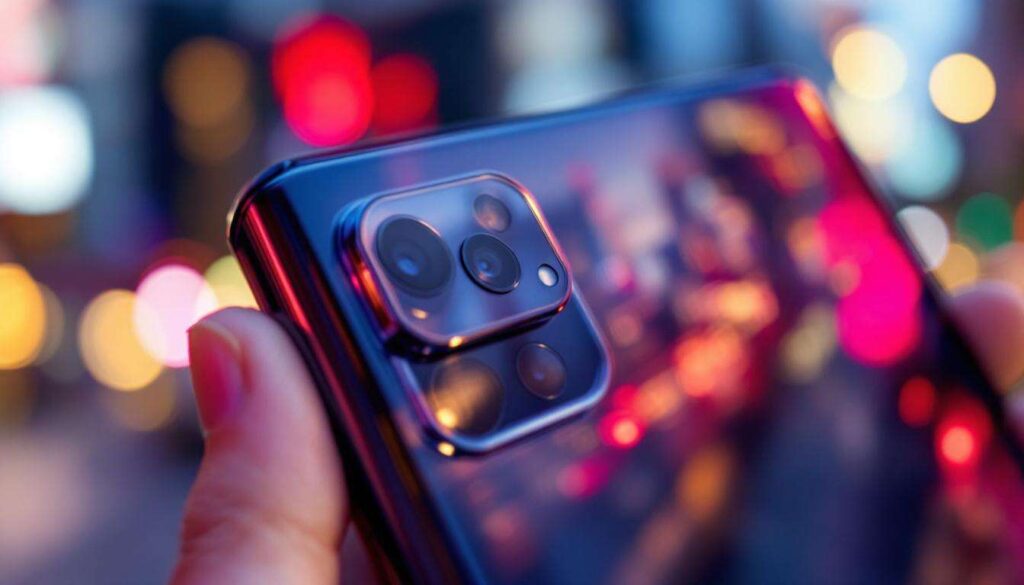
The Samsung Galaxy S26 Ultra represents a significant leap forward in smartphone photography, pushing the boundaries of what mobile cameras can achieve. With its impressive 200-megapixel sensor, the device promises unprecedented detail and clarity in every shot. The integration of 100x Space Zoom technology allows users to capture distant subjects with remarkable precision, while advanced nightography features ensure stunning low-light performance. This comprehensive review examines the camera system’s capabilities, testing its performance across various shooting scenarios to determine whether it lives up to Samsung’s ambitious claims.
Overview of the 200MP sensor
Technical specifications and sensor architecture
The Samsung Galaxy S26 Ultra features a 200-megapixel primary sensor that utilizes advanced pixel-binning technology to deliver exceptional image quality. The sensor employs a 16-in-1 pixel binning method, combining multiple pixels to create larger effective pixels that capture more light and detail. This approach results in 12.5-megapixel images under standard shooting conditions, balancing file size with image quality.
| Specification | Detail |
|---|---|
| Sensor Resolution | 200 megapixels |
| Pixel Size | 0.6μm individual, 2.4μm binned |
| Aperture | f/1.7 |
| Optical Image Stabilization | Yes, dual-axis |
Image processing capabilities
The camera system benefits from Samsung’s latest image signal processor, which handles the massive data throughput from the 200MP sensor with impressive efficiency. The processor applies advanced computational photography techniques to enhance dynamic range, reduce noise, and optimize color accuracy. Users can choose to capture full-resolution 200MP images when maximum detail is required, though these files consume significantly more storage space.
- Full 200MP mode for maximum detail preservation
- Standard 12.5MP mode with pixel binning for everyday photography
- AI-enhanced scene optimization for automatic adjustments
- HDR processing with improved highlight and shadow detail
Real-world performance assessment
Testing the 200MP sensor across various lighting conditions reveals its strengths and limitations. In bright daylight, the camera captures images with exceptional sharpness and detail, allowing for significant cropping without noticeable quality loss. The dynamic range proves impressive, maintaining detail in both highlights and shadows. However, the full 200MP mode shows minimal practical advantages over the binned 12.5MP output for most users, with the primary benefit being the ability to crop extensively while maintaining resolution.
The sensor’s performance in moderate lighting conditions remains strong, though the advantages of the high megapixel count become less pronounced as light levels decrease. This sets the stage for examining how the camera handles more challenging shooting scenarios.
100x Space Zoom: performance and limitations
Zoom system architecture
The Galaxy S26 Ultra implements a hybrid zoom system that combines optical and digital magnification to achieve its impressive 100x maximum zoom capability. The camera array includes a periscope telephoto lens with 10x optical zoom, supplemented by the 200MP sensor’s ability to crop and maintain resolution at intermediate zoom levels.
- 1x to 3x: Primary sensor crop with minimal quality loss
- 3x to 10x: Combination of sensor crop and optical telephoto
- 10x to 30x: Optical telephoto with digital enhancement
- 30x to 100x: Heavy digital processing with AI upscaling
Image quality at different zoom levels
Testing reveals that the Space Zoom system delivers genuinely useful results up to approximately 30x magnification. At 10x zoom, images maintain excellent sharpness and detail, benefiting from the optical periscope lens. Between 10x and 30x, quality remains acceptable for social media sharing and casual viewing, though fine details begin to soften noticeably.
| Zoom Level | Quality Rating | Practical Use |
|---|---|---|
| 1x-10x | Excellent | All purposes |
| 10x-30x | Good | Social media, casual viewing |
| 30x-50x | Fair | Identification purposes only |
| 50x-100x | Poor | Novelty feature |
Stabilization challenges and practical limitations
The optical image stabilization system works admirably at moderate zoom levels but struggles to compensate for hand movement beyond 30x magnification. Shooting at 50x or higher requires exceptional steadiness or a tripod to achieve sharp results. The digital stabilization algorithms help, but cannot fully overcome the physical challenges of extreme magnification.
Beyond 50x zoom, image quality deteriorates rapidly due to heavy digital processing and AI interpolation. While the 100x capability serves as an impressive technical achievement, its practical utility remains limited to specific scenarios such as reading distant signs or capturing the moon. Understanding these limitations helps users set appropriate expectations when exploring the camera’s zoom capabilities, particularly when shooting in challenging lighting conditions.
Quality of photos in night mode
Nightography technology explained
Samsung’s nightography system represents a comprehensive approach to low-light photography, combining hardware advantages with sophisticated software processing. The large binned pixels capture more light, while multi-frame processing merges several exposures to reduce noise and enhance detail. The system automatically activates when ambient light falls below certain thresholds, though users can manually enable it for creative control.
Low-light performance metrics
Testing the Galaxy S26 Ultra in various night scenarios demonstrates significant improvements over previous generations. The camera maintains impressive color accuracy even in dim conditions, avoiding the oversaturated appearance common in earlier night modes. Detail preservation proves excellent in moderately dark environments, though extremely low light inevitably introduces some noise and softness.
- Minimal noise in street-lit urban environments
- Accurate color reproduction without artificial enhancement
- Effective highlight control preventing blown-out light sources
- Natural-looking results that avoid excessive processing artifacts
Practical night shooting scenarios
The nightography mode excels at capturing city scenes, illuminated architecture, and indoor environments with ambient lighting. Shutter speeds remain reasonably fast, typically between one and three seconds, allowing for handheld shooting with steady hands. The optical image stabilization proves crucial for achieving sharp results without a tripod.
Portrait photography in low light benefits from the dedicated Night Portrait mode, which balances subject illumination with background ambiance. However, moving subjects remain challenging, as the multi-frame processing requires relative stillness for optimal results. The camera’s ability to handle mixed lighting conditions, such as indoor scenes with window light, demonstrates its sophisticated processing capabilities and prepares users for understanding how it compares with competing devices.
Comparison with the competition
Performance versus flagship alternatives
The Samsung Galaxy S26 Ultra faces stiff competition from other premium smartphones, particularly the iPhone 16 Pro Max and Google Pixel 9 Pro. Each device takes a different philosophical approach to mobile photography, with varying megapixel counts and processing strategies.
| Device | Main Sensor | Max Zoom | Night Mode Strength |
|---|---|---|---|
| Galaxy S26 Ultra | 200MP | 100x | Excellent |
| iPhone 16 Pro Max | 48MP | 25x | Very Good |
| Pixel 9 Pro | 50MP | 30x | Outstanding |
Image quality and processing philosophy
The Google Pixel 9 Pro continues to impress with its computational photography prowess, often producing more naturally balanced images despite its lower megapixel count. The iPhone 16 Pro Max delivers consistently excellent results with minimal processing artifacts, though it lacks the extreme zoom capabilities of the Samsung device. The Galaxy S26 Ultra offers the most versatility and raw resolution, appealing to users who prioritize technical specifications and creative flexibility.
Value proposition analysis
Considering the overall camera performance, the Galaxy S26 Ultra justifies its premium positioning through sheer capability breadth. While competitors may excel in specific areas such as computational processing or video recording, Samsung’s device provides the most comprehensive feature set for photography enthusiasts. The 200MP sensor and 100x zoom represent genuine differentiators, even if their practical advantages remain situational. These technical capabilities translate into tangible benefits for users who understand how to leverage the camera system’s advanced features effectively.
Practical use and advanced features
Professional photography modes
The Galaxy S26 Ultra includes Pro mode that grants manual control over essential parameters, appealing to photography enthusiasts who want creative authority. Users can adjust ISO, shutter speed, white balance, and focus independently, with real-time histogram feedback for exposure monitoring.
- RAW capture support for maximum post-processing flexibility
- Expert RAW app integration for advanced controls
- Focus peaking and zebra stripes for precise adjustments
- Custom presets for frequently used settings
Artificial intelligence enhancements
The camera system leverages AI scene recognition to automatically optimize settings based on subject matter. The technology identifies over 30 different scene types, adjusting parameters like saturation, contrast, and sharpening accordingly. While generally effective, the AI enhancements can occasionally produce overly processed results, particularly with food and sunset scenes.
Video recording capabilities
Beyond still photography, the Galaxy S26 Ultra captures 8K video at 30fps and 4K at 60fps with impressive stabilization. The Director’s View feature allows simultaneous recording from multiple lenses, while Pro Video mode offers manual control over video parameters. The nightography technology extends to video recording, maintaining usable quality in low-light conditions that would challenge most smartphones.
These advanced features combine to create a versatile imaging system that adapts to diverse shooting requirements, directly influencing how users interact with their device on a daily basis.
Impact on user experience
Daily photography convenience
The Galaxy S26 Ultra’s camera system transforms everyday photography through its point-and-shoot reliability combined with advanced capabilities when needed. The quick launch gesture and fast autofocus ensure users rarely miss spontaneous moments, while the intuitive interface keeps complex features accessible without overwhelming casual shooters.
Storage and processing considerations
The 200MP sensor’s full-resolution images consume approximately 20-30MB per photo, requiring users to consider storage management strategies. Most users will prefer the standard 12.5MP output for everyday shooting, reserving full resolution for special occasions. The powerful processor handles image processing efficiently, though saving full-resolution photos introduces slight delays compared to standard mode.
Long-term value and versatility
The comprehensive camera system ensures the Galaxy S26 Ultra remains relevant and capable for extended periods, justifying its premium price through longevity. The combination of hardware excellence and software refinement creates a photography tool that grows with users as they develop their skills. Whether capturing family memories, documenting travels, or pursuing creative projects, the camera system adapts to evolving needs and shooting styles.
The Samsung Galaxy S26 Ultra delivers a camera experience that balances cutting-edge technology with practical usability. The 200MP sensor provides exceptional detail and cropping flexibility, though its advantages over pixel-binned output remain situational for most users. The 100x Space Zoom impresses as a technical achievement, offering genuinely useful magnification up to 30x before quality compromises become significant. Nightography capabilities stand among the best available, capturing impressive low-light images with minimal noise and accurate colors. When compared with flagship competitors, the device offers the broadest feature set and most versatile zoom system, appealing to users who prioritize comprehensive capabilities over specialized excellence in specific areas. The advanced features and professional controls satisfy enthusiast photographers while remaining accessible to casual users through intelligent automation. Overall, the camera system significantly enhances the user experience, transforming the smartphone into a capable imaging tool suitable for diverse photographic scenarios.