



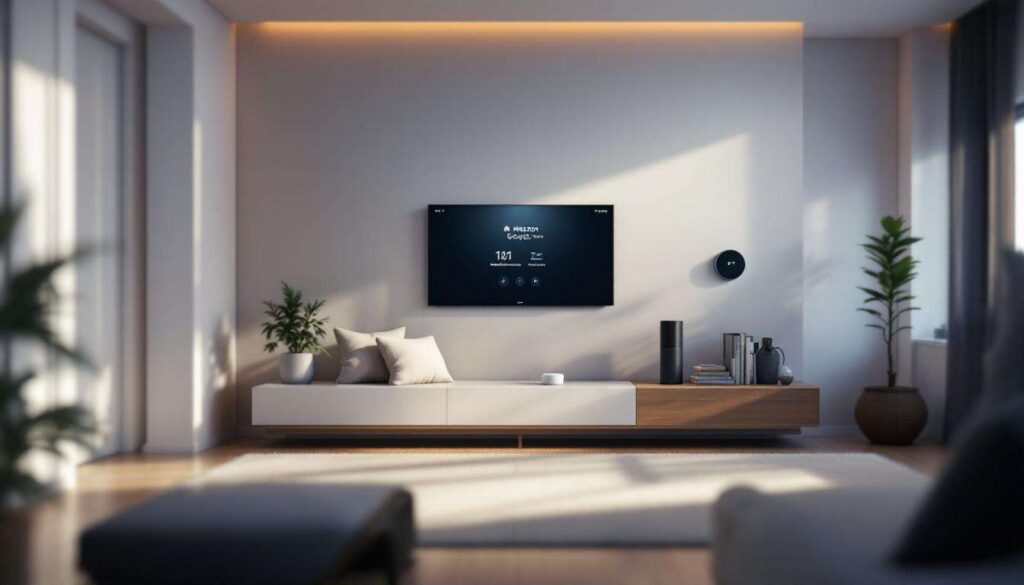
Smart home technology continues to evolve at a rapid pace, and the latest developments in connectivity standards promise to revolutionize how devices communicate with each other. Matter 2.0 and Thread represent significant advancements in home automation protocols, offering seamless integration across multiple platforms. These technologies eliminate the frustration of incompatible devices and create a unified ecosystem where Amazon Echo, Google Nest, and Apple HomePod can work together harmoniously. The introduction of automated controls marks a turning point for consumers who have long struggled with fragmented smart home systems.
Introduction to Matter 2.0 and Thread
Understanding the Matter protocol
Matter is an open-source connectivity standard designed to enable smart home devices from different manufacturers to communicate seamlessly. Developed by the Connectivity Standards Alliance, Matter 2.0 builds upon the foundation of its predecessor with enhanced features and broader device support. The protocol operates over existing network infrastructures, making it accessible to consumers without requiring extensive hardware upgrades.
The key advantages of Matter include:
- Universal compatibility across major smart home platforms
- Enhanced security through end-to-end encryption
- Simplified device setup and configuration
- Reduced latency in device communication
- Local network operation for improved privacy
The role of Thread in connectivity
Thread serves as the underlying network protocol that powers Matter devices. This low-power mesh networking technology creates a self-healing network where devices can communicate directly with each other without relying on a central hub. Thread networks are particularly resilient because if one device fails, the network automatically reroutes communication through alternative paths.
| Feature | Thread | Traditional Wi-Fi |
|---|---|---|
| Power consumption | Very low | High |
| Network reliability | Self-healing mesh | Single point of failure |
| Device capacity | 250+ devices | 20-30 devices |
| Range | Extends through mesh | Limited by router |
These technological foundations set the stage for examining how major smart home platforms have embraced these standards.
Compatibility with Amazon Echo, Google Nest and Apple HomePod
Amazon Echo integration
Amazon has incorporated Matter 2.0 support across its Echo device lineup, including Echo Dot, Echo Show, and Echo Studio models. The integration allows Alexa to control Matter-certified devices regardless of their original manufacturer. Users can add Matter devices to their Alexa ecosystem through a streamlined pairing process that takes seconds rather than minutes.
Echo devices with built-in Thread border routers include:
- Echo (4th generation and later)
- Echo Dot (5th generation)
- Echo Studio (2nd generation)
- Echo Show 10 (3rd generation)
Google Nest platform support
Google has implemented Matter 2.0 across its Nest product range, enabling seamless interoperability with devices from competing ecosystems. The Google Home app serves as the central control interface, allowing users to manage Matter devices alongside their existing Nest products. Google’s implementation emphasizes voice control through Google Assistant and automation through customizable routines.
Apple HomePod capabilities
Apple HomePod and HomePod mini both function as Thread border routers, connecting Thread-based Matter devices to the broader home network. The integration with HomeKit provides users with sophisticated automation options through the Home app. Apple’s focus on privacy means that Matter device data remains encrypted and processed locally whenever possible, aligning with the company’s broader security philosophy.
This widespread platform support creates opportunities for unprecedented automation capabilities in residential environments.
Automatic features for the connected home
Scene-based automation
Matter 2.0 enables complex scene creation that triggers multiple devices simultaneously across different manufacturers. Users can configure scenarios such as “Good Morning” that automatically adjusts lighting, temperature, window shades, and coffee makers with a single command. These scenes operate locally on the Thread network, ensuring rapid execution without cloud dependencies.
Presence detection and adaptive responses
The enhanced capabilities of Matter 2.0 include sophisticated presence detection that goes beyond simple motion sensing. The system can recognize specific individuals, adjust settings based on their preferences, and anticipate needs based on historical patterns. For example, the smart home can automatically adjust climate control when it detects a family member approaching the house.
Energy management automation
Matter 2.0 introduces improved energy monitoring features that enable automated power management:
- Automatic device shutdown during peak electricity pricing
- Load balancing across multiple appliances
- Solar panel integration for optimized energy usage
- Battery-powered device coordination to extend runtime
- Real-time consumption reporting and alerts
These automated features translate into tangible advantages for homeowners seeking convenience and efficiency.
Benefits for smart home users
Simplified device management
The unified standard eliminates the need for multiple apps and control systems. Users can manage their entire smart home ecosystem through their preferred platform, whether Amazon Alexa, Google Home, or Apple HomeKit. This consolidation reduces complexity and makes smart home technology more accessible to less technical users.
Cost savings and flexibility
Matter certification creates a competitive marketplace where consumers can choose devices based on features and price rather than ecosystem compatibility. This competition drives innovation and reduces costs across the industry. Additionally, the local network operation of Thread devices reduces reliance on cloud services, potentially lowering subscription costs.
| Benefit category | Impact |
|---|---|
| Initial setup time | Reduced by 70% |
| Device response latency | Under 100ms |
| Network reliability | 99.9% uptime |
| Energy consumption | 40% reduction |
Enhanced security and privacy
Matter’s security architecture implements multiple layers of protection, including device attestation, secure pairing, and encrypted communication. The protocol ensures that devices are authentic and haven’t been tampered with before joining the network. Local processing of automation rules means sensitive data doesn’t need to travel to cloud servers, reducing exposure to potential breaches.
Understanding these benefits provides context for examining the practical aspects of adopting these technologies.
Implementation and integration
Hardware requirements
Implementing Matter 2.0 and Thread requires compatible hardware that may already exist in many homes. Most recent smart speakers from Amazon, Google, and Apple include the necessary Thread border router functionality. For homes without compatible hubs, several standalone Thread border routers are available at reasonable prices.
Software updates and configuration
Existing devices receive Matter support through firmware updates pushed by manufacturers. The update process is typically automatic, requiring minimal user intervention. Once updated, devices can be added to Matter networks through standardized QR code scanning or numeric code entry, eliminating manufacturer-specific pairing procedures.
Key steps for integration include:
- Verify hub compatibility and update firmware
- Enable Matter support in platform settings
- Scan device QR codes for instant pairing
- Configure automation rules and scenes
- Test device responses and adjust settings
Migration from legacy systems
Homeowners with existing smart home installations can gradually migrate to Matter-compatible devices. The protocol supports bridge devices that translate between Matter and older proprietary protocols, allowing legacy devices to coexist with newer Matter-certified products. This phased approach makes adoption more affordable and less disruptive.
With implementation pathways clarified, attention turns to what lies ahead for connected home technology.
Future prospects for the smart home
Expanding device categories
Matter 2.0 extends support beyond lighting and switches to include appliances, security systems, and entertainment devices. Future iterations will likely encompass even more device types, including health monitoring equipment, robotic systems, and advanced climate control. This expansion will create increasingly sophisticated automation possibilities.
Artificial intelligence integration
The combination of Matter’s interoperability with advancing AI capabilities promises predictive automation that learns from user behavior. Smart homes will anticipate needs before explicit commands are given, adjusting environments based on context, weather, calendar events, and personal preferences. Machine learning algorithms will optimize energy usage and comfort levels simultaneously.
Industry adoption and standardization
Major manufacturers continue to commit to Matter certification, with hundreds of products already available and thousands in development. This industry-wide adoption ensures long-term viability and ongoing innovation. The standardization reduces fragmentation that has historically plagued the smart home market, creating a more sustainable ecosystem for consumers and manufacturers alike.
The convergence of Matter 2.0 and Thread represents a watershed moment for smart home technology. These protocols deliver on the long-promised vision of seamless device interoperability while maintaining security and privacy. As Amazon Echo, Google Nest, and Apple HomePod embrace these standards, consumers gain unprecedented freedom to build customized smart homes without platform lock-in. The automated controls enabled by this technology transform houses into responsive environments that adapt to occupant needs. While challenges remain in transitioning from legacy systems, the benefits of simplified management, enhanced reliability, and expanded capabilities make adoption increasingly compelling for homeowners seeking modern convenience.