



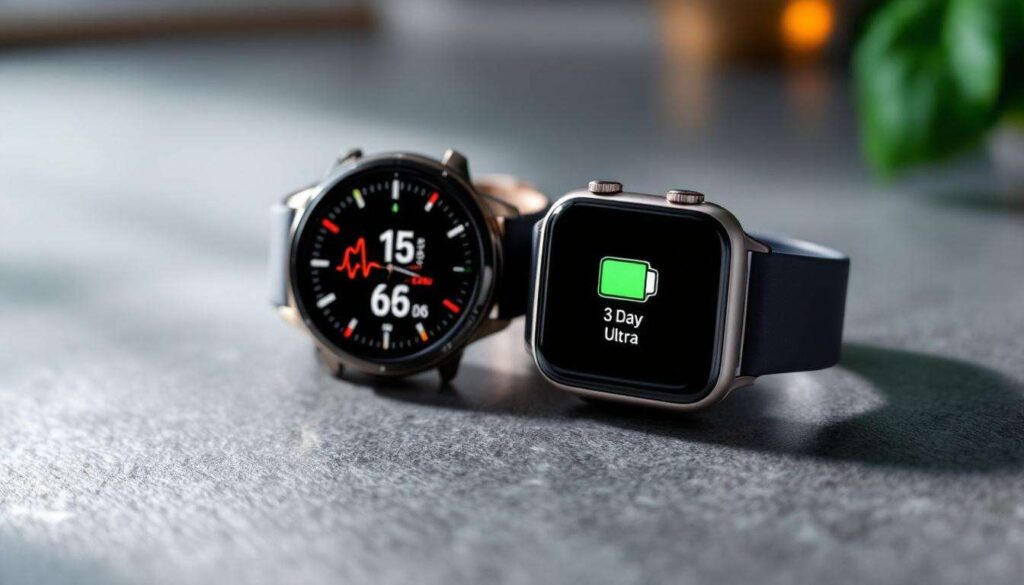
Wearable technology has evolved from simple fitness trackers to sophisticated health monitoring devices capable of tracking vital signs with medical-grade precision. Two flagship devices now dominate the premium smartwatch market, each promising advanced health features and extended battery life that challenge conventional expectations. The Samsung Galaxy Watch Ultra and Apple Watch Ultra 3 represent the pinnacle of their respective ecosystems, offering users comprehensive health tracking capabilities including the increasingly important blood pressure monitoring feature.
Introduction to premium smartwatches
The premium smartwatch segment has witnessed remarkable innovation as manufacturers push boundaries in health technology and battery performance. Both Samsung and Apple have positioned their Ultra models as professional-grade devices designed for users who demand uncompromising performance and advanced health monitoring capabilities.
Market positioning and target audience
These flagship wearables target specific user demographics who prioritize health monitoring and extended functionality. The devices appeal to:
- Health-conscious professionals seeking comprehensive wellness tracking
- Athletes requiring precise performance metrics and recovery data
- Outdoor enthusiasts needing durable construction and extended battery life
- Technology early adopters wanting cutting-edge health features
Both manufacturers have invested heavily in medical-grade sensors and FDA-approved health monitoring capabilities, transforming these devices from lifestyle accessories into legitimate health management tools. The integration of blood pressure monitoring represents a significant milestone in consumer wearable technology, previously available only through dedicated medical devices.
Price and value proposition
The pricing strategy for both devices reflects their premium positioning in the market. Investment considerations extend beyond initial purchase price to include ecosystem compatibility and long-term software support.
| Device | Starting Price | Premium Features |
|---|---|---|
| Samsung Galaxy Watch Ultra | $649 | Blood pressure, 3-day battery, titanium build |
| Apple Watch Ultra 3 | $799 | Blood pressure, extended battery, sapphire crystal |
Understanding the design philosophy and material choices of each manufacturer provides essential context for evaluating their overall performance and durability.
Comparison of design and materials
Physical construction and aesthetic design distinguish these two premium offerings, with each manufacturer taking distinctly different approaches to achieving durability and user comfort.
Build quality and materials
The Samsung Galaxy Watch Ultra features a titanium case with a circular display that maintains the traditional watch aesthetic. The device measures 47mm in diameter with a thickness of 12.1mm, providing substantial presence on the wrist. The rotating bezel mechanism offers tactile navigation that many users find intuitive and satisfying.
Apple Watch Ultra 3 employs a rectangular titanium case measuring 49mm with flat sapphire crystal display protection. The action button and digital crown provide navigation options, while the reinforced corners enhance drop protection. The device thickness of 14.4mm accommodates the larger battery and additional sensors required for advanced health monitoring.
Display technology and visibility
Screen quality directly impacts usability in various lighting conditions and outdoor environments. Both devices incorporate advanced display technologies:
- Samsung utilizes a 1.5-inch Super AMOLED display with 480×480 resolution
- Apple features a 1.93-inch LTPO OLED display with 502×410 resolution
- Both achieve peak brightness exceeding 2000 nits for outdoor visibility
- Always-on display functionality preserves battery while maintaining information access
Comfort and wearability
Extended wear comfort becomes critical for devices designed for continuous health monitoring. The Samsung Galaxy Watch Ultra weighs 60 grams with the standard band, while the Apple Watch Ultra 3 weighs 61.4 grams. Both manufacturers offer multiple band options designed for different activities, from professional settings to extreme sports environments.
The water resistance ratings differ slightly, with Samsung offering 10 ATM resistance and Apple providing 100-meter water resistance with EN13319 certification for diving activities. These specifications enable users to wear the devices during swimming, snorkeling, and recreational diving without concern.
Beyond physical construction, the health monitoring capabilities represent the core value proposition for these premium devices.
Health tracking features
Comprehensive health monitoring distinguishes premium smartwatches from basic fitness trackers, with both devices offering extensive sensor arrays for tracking multiple physiological parameters.
Core health metrics
Both devices provide continuous monitoring of fundamental health indicators throughout the day and night. The sensor technology enables passive data collection without requiring user intervention:
- Continuous heart rate monitoring with irregular rhythm notifications
- Blood oxygen saturation measurement for respiratory health assessment
- Electrocardiogram functionality for detecting atrial fibrillation
- Skin temperature monitoring for illness detection and cycle tracking
- Sleep stage analysis including REM, deep, and light sleep phases
Advanced health monitoring capabilities
The Samsung Galaxy Watch Ultra incorporates bioelectrical impedance analysis for body composition measurement, providing insights into muscle mass, body fat percentage, and hydration levels. The device also features stress monitoring through heart rate variability analysis and guided breathing exercises for stress management.
Apple Watch Ultra 3 emphasizes fall detection and crash detection capabilities, automatically contacting emergency services when severe impacts are detected. The device includes noise monitoring to protect hearing health and menstrual cycle tracking with retrospective ovulation estimates.
Fitness and activity tracking
Both platforms offer comprehensive workout tracking with automatic exercise detection and detailed performance metrics. The devices support numerous activity types:
| Activity Category | Samsung Galaxy Watch Ultra | Apple Watch Ultra 3 |
|---|---|---|
| Running modes | Indoor, outdoor, interval, trail | Indoor, outdoor, track, trail |
| Swimming tracking | Pool, open water with stroke detection | Pool, open water with SWOLF scoring |
| Cycling options | Road, mountain, indoor cycling | Indoor, outdoor with power meter support |
The integration of GPS, altimeter, and compass functionality enables accurate outdoor activity tracking without requiring smartphone connectivity. This independence becomes particularly valuable during extended outdoor adventures where battery conservation remains paramount.
Battery longevity and performance
Extended battery life represents a critical differentiator in the premium smartwatch segment, with both manufacturers claiming multi-day performance under typical usage conditions.
Real-world battery performance
The Samsung Galaxy Watch Ultra achieves approximately 72 hours of mixed usage with moderate health monitoring, notifications, and occasional workout tracking. The power management system automatically adjusts sensor polling rates and display brightness to maximize battery longevity without significantly compromising functionality.
Apple Watch Ultra 3 delivers similar three-day performance under comparable conditions, representing substantial improvement over previous generations. The low-power mode extends operation to approximately five days by limiting certain features while maintaining essential health monitoring capabilities.
Charging technology and convenience
Both devices implement fast charging protocols that minimize downtime:
- Samsung provides 65% charge in 30 minutes using wireless charging pad
- Apple achieves 80% charge in 45 minutes with magnetic charging cable
- Full charge cycles complete in approximately 90 minutes for both devices
- Reverse wireless charging enables emergency power sharing from compatible smartphones
Power consumption during intensive activities
Continuous GPS tracking with heart rate monitoring significantly impacts battery performance. During extended outdoor activities, both devices consume approximately 10-12% battery per hour of active GPS usage. The implementation of dual-frequency GPS improves accuracy while moderately increasing power consumption compared to single-frequency positioning.
The always-on display feature accounts for roughly 15-20% of daily battery consumption, making it the single largest power draw during typical usage. Users prioritizing maximum battery life can disable this feature and rely on raise-to-wake functionality instead.
Among the various health monitoring capabilities, blood pressure measurement represents the most technologically challenging and clinically significant feature.
Blood pressure measurement analysis
Blood pressure monitoring through wearable devices represents a significant advancement in preventive healthcare, enabling users to track cardiovascular health without traditional cuff-based monitors.
Measurement technology and accuracy
The Samsung Galaxy Watch Ultra employs pulse wave analysis technology that measures the time blood takes to travel from the heart to the wrist. The device requires initial calibration using a traditional blood pressure cuff to establish baseline measurements. Subsequent readings utilize optical sensors to detect subtle changes in blood vessel characteristics.
Apple Watch Ultra 3 implements similar optical sensing technology with proprietary algorithms that analyze multiple data points including pulse wave velocity, heart rate variability, and arterial stiffness indicators. The system also requires periodic calibration to maintain measurement accuracy.
Clinical validation and regulatory approval
Both manufacturers have pursued regulatory clearance for their blood pressure monitoring features:
- Samsung received FDA clearance and CE marking for blood pressure monitoring functionality
- Apple obtained similar regulatory approvals following extensive clinical validation studies
- Both devices display disclaimers indicating measurements are for wellness purposes
- Neither device replaces medical-grade equipment for diagnostic purposes
Practical usage and limitations
Blood pressure measurement requires specific conditions for optimal accuracy. Users must remain still with the watch positioned at heart level during measurement, which typically takes 30-45 seconds. Environmental factors including temperature, physical activity, and caffeine consumption can influence readings.
| Factor | Impact on Accuracy | Recommendation |
|---|---|---|
| Calibration frequency | High | Recalibrate every 28 days |
| Measurement position | High | Keep wrist at heart level |
| Movement during reading | Very high | Remain completely still |
| Band tightness | Moderate | Snug but comfortable fit |
The measurement frequency varies between devices, with Samsung allowing on-demand readings throughout the day while Apple implements scheduled measurements to preserve battery life. Both systems track trends over time, providing valuable insights into cardiovascular health patterns and potential concerns requiring medical attention.
Understanding the strengths and limitations of each device enables informed decision-making based on individual priorities and ecosystem preferences.
Final verdict and recommendations
Selecting between these premium smartwatches depends on specific user requirements and existing technology ecosystems rather than absolute superiority of one device over another.
Samsung Galaxy Watch Ultra advantages
The Samsung offering excels in several key areas that appeal to specific user segments. The rotating bezel interface provides intuitive navigation without obscuring the display, while the circular design appeals to traditional watch aesthetics. Android compatibility extends beyond Samsung devices, offering broader ecosystem flexibility.
Users prioritizing body composition analysis and comprehensive sleep tracking may find Samsung’s implementation more detailed and actionable. The slightly lower price point provides additional value for budget-conscious consumers seeking premium features.
Apple Watch Ultra 3 advantages
Apple’s ecosystem integration remains unmatched for iPhone users, with seamless connectivity across devices and services. The larger display improves readability and interaction, particularly beneficial for users with vision challenges or those frequently accessing detailed information.
The action button customization and enhanced outdoor features appeal to adventure enthusiasts and extreme sports participants. Apple’s established health research partnerships and continuous software updates suggest long-term value retention.
Purchase recommendations by user profile
Different user needs align with specific device strengths:
- Android users should strongly consider Samsung Galaxy Watch Ultra for optimal integration
- iPhone users gain maximum value from Apple Watch Ultra 3 ecosystem benefits
- Fitness enthusiasts prioritizing body composition should favor Samsung’s analysis capabilities
- Outdoor adventurers benefit from Apple’s enhanced durability certifications and emergency features
- Budget-conscious buyers find better value in Samsung’s lower entry price
Both devices deliver on their promises of three-day battery life and functional blood pressure monitoring, making either choice viable for users seeking advanced health tracking capabilities in a premium smartwatch package.
The premium smartwatch market has matured significantly, with both Samsung Galaxy Watch Ultra and Apple Watch Ultra 3 demonstrating that extended battery life and advanced health monitoring can coexist in consumer devices. Blood pressure monitoring functionality, while requiring periodic calibration and careful measurement technique, provides valuable cardiovascular health insights previously unavailable in wearable formats. The three-day battery performance eliminates daily charging anxiety, enabling continuous health monitoring without interruption. Ultimately, ecosystem compatibility and specific feature priorities should guide purchase decisions, as both devices represent excellent implementations of current wearable technology capabilities. Users invested in either Android or iOS ecosystems will find their respective Ultra model delivers comprehensive health tracking, robust build quality, and performance worthy of the premium pricing.