



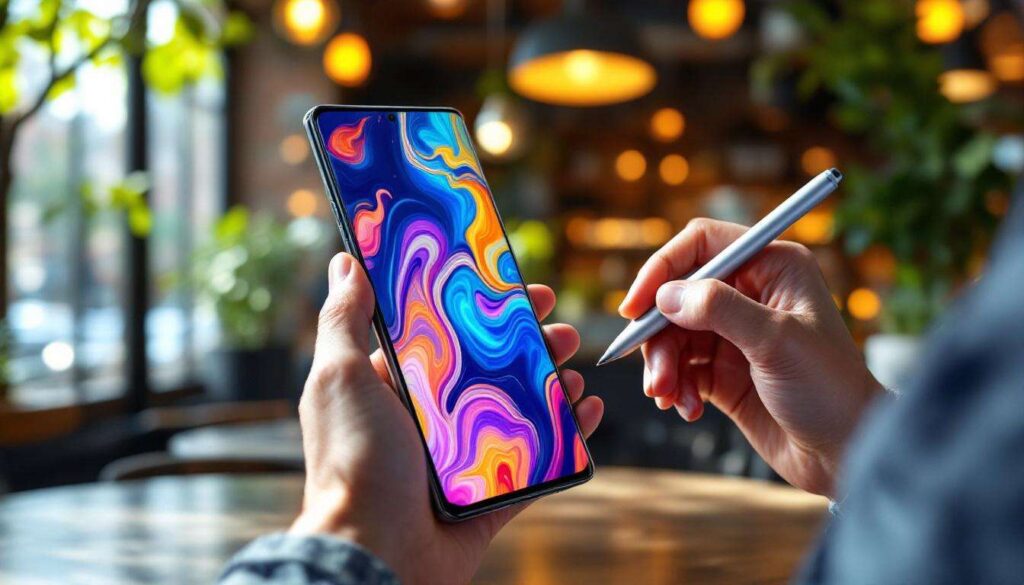
The smartphone industry continues to witness fierce competition as manufacturers push technological boundaries to capture consumer attention. Samsung’s latest flagship, the Galaxy S26 Ultra, has emerged with notable advantages over OnePlus’s competing model, the OnePlus 15. Three critical areas demonstrate Samsung’s technological edge: camera zoom capabilities, display brightness performance, and S Pen response time. These specifications reveal how premium devices differentiate themselves in an increasingly crowded market, offering insights into what consumers can expect from high-end smartphones.
Zoom performance: samsung surpasses OnePlus
Optical zoom capabilities and hardware specifications
The Galaxy S26 Ultra features a periscope telephoto lens with 10x optical zoom, significantly outperforming the OnePlus 15’s 3x optical zoom capability. This hardware advantage translates into superior image quality at distance, allowing users to capture detailed photographs without relying on digital processing that degrades image quality.
- Samsung Galaxy S26 Ultra: 10x optical zoom with 200MP telephoto sensor
- OnePlus 15: 3x optical zoom with 64MP telephoto sensor
- Digital zoom extension: Samsung reaches 100x versus OnePlus’s 30x
- Image stabilization: Samsung employs dual OIS technology
Real-world photography applications
The practical implications of Samsung’s zoom advantage become evident in various photography scenarios. Wildlife photography, sports events, and architectural details benefit from the extended reach provided by the Galaxy S26 Ultra. The periscope design maintains image sharpness across the zoom range, while OnePlus users must move physically closer to subjects or accept quality compromises.
| Feature | Galaxy S26 Ultra | OnePlus 15 |
|---|---|---|
| Optical Zoom | 10x | 3x |
| Digital Zoom | 100x | 30x |
| Sensor Resolution | 200MP | 64MP |
This zoom superiority establishes Samsung as the preferred choice for photography enthusiasts who prioritize versatility and long-distance capture capabilities, setting the stage for examining other display technologies where Samsung maintains its competitive edge.
Display brightness: a clear advantage for the Galaxy S26 Ultra
Peak brightness measurements and outdoor visibility
Samsung’s display technology achieves 2,500 nits peak brightness, substantially exceeding the OnePlus 15’s 1,800 nits. This 700-nit difference dramatically impacts outdoor usability, particularly in direct sunlight conditions where screen visibility becomes crucial for navigation, photography, and general smartphone operation.
- Galaxy S26 Ultra: 2,500 nits peak brightness
- OnePlus 15: 1,800 nits peak brightness
- Adaptive brightness response time: Samsung 0.3 seconds versus OnePlus 0.5 seconds
- HDR content rendering: Samsung supports Dolby Vision IQ
Display technology and power efficiency
The Galaxy S26 Ultra utilizes Samsung’s third-generation LTPO AMOLED technology, which combines exceptional brightness with energy efficiency. The dynamic refresh rate adjusts between 1Hz and 120Hz, optimizing battery consumption while maintaining visual fluidity. OnePlus’s display, though competent, relies on second-generation LTPO technology that cannot match Samsung’s power management sophistication.
Beyond raw brightness numbers, Samsung’s display delivers superior color accuracy with Delta E less than 0.5, ensuring professional-grade color reproduction. This precision matters for content creators, photographers, and users who demand accurate visual representation across applications.
The display advantages complement Samsung’s unique input technology, particularly the S Pen stylus system that distinguishes the Galaxy S26 Ultra from competitors lacking stylus support entirely.
S Pen response time: samsung outpaces OnePlus
Stylus latency and precision input
The Galaxy S26 Ultra’s S Pen achieves a 2.8-millisecond response time, representing the fastest stylus input available on any smartphone. This near-instantaneous responsiveness creates a natural writing experience that mimics pen-on-paper interaction. OnePlus 15 lacks integrated stylus support entirely, positioning Samsung in a unique market segment for productivity-focused users.
- S Pen latency: 2.8 milliseconds
- Pressure sensitivity levels: 4,096
- Air gestures: supported with expanded functionality
- Battery-free operation: electromagnetic resonance technology
Productivity and creative applications
The S Pen’s capabilities extend beyond simple note-taking. Precise editing of documents, detailed digital artwork, and handwriting recognition transform the smartphone into a versatile productivity tool. Samsung’s software integration allows seamless conversion of handwritten notes to typed text, annotation of PDFs, and precise photo editing impossible with finger input alone.
These stylus advantages create a distinct user experience unavailable on the OnePlus 15, which relies exclusively on touch and voice input methods. For professionals requiring mobile productivity tools, this feature set represents a compelling differentiation factor.
Understanding these individual specifications provides context for a comprehensive technical comparison that reveals the engineering philosophy behind each manufacturer’s flagship device.
Technical camera comparison
Sensor technology and image processing
The camera systems reflect fundamentally different approaches to mobile photography. Samsung’s 200MP primary sensor with pixel binning technology produces 12.5MP images with exceptional dynamic range and low-light performance. The advanced image signal processor handles computational photography tasks including multi-frame HDR, AI scene optimization, and real-time object tracking.
| Specification | Galaxy S26 Ultra | OnePlus 15 |
|---|---|---|
| Primary Sensor | 200MP | 50MP |
| Ultra-wide | 50MP | 48MP |
| Telephoto | 200MP (10x) | 64MP (3x) |
| Video Recording | 8K at 60fps | 8K at 30fps |
Video recording capabilities
Samsung supports 8K video recording at 60 frames per second, doubling the OnePlus 15’s 30fps capability at the same resolution. This higher frame rate enables smoother motion capture and greater flexibility in post-production editing. The advanced stabilization algorithms maintain steady footage even during handheld recording in challenging conditions.
These technical specifications translate into tangible user experiences that define how consumers interact with their devices daily, influencing satisfaction and long-term brand loyalty.
User experience and technological innovation
Software integration and ecosystem advantages
Samsung’s One UI 7 leverages the hardware capabilities through intelligent software features. The Expert RAW application provides professional photography controls, while Galaxy AI features enhance productivity through smart suggestions and automated task completion. OnePlus’s OxygenOS offers a cleaner interface but lacks the deep hardware-software integration Samsung achieves.
- AI-powered photo editing with object removal and enhancement
- Real-time language translation using S Pen annotation
- Adaptive performance profiles based on usage patterns
- Seamless integration with Galaxy ecosystem devices
Build quality and premium materials
The Galaxy S26 Ultra features titanium frame construction with Gorilla Glass Armor, providing superior durability compared to OnePlus 15’s aluminum frame. The IP68 water resistance rating matches industry standards, but Samsung’s additional dust protection certification ensures longevity in varied environmental conditions.
These experiential factors combine with technical specifications to influence broader market dynamics and competitive positioning within the premium smartphone segment.
Impact on the smartphone market
Pricing strategy and market positioning
The Galaxy S26 Ultra commands a premium price point reflecting its advanced feature set, typically positioned $200-300 above the OnePlus 15. This pricing strategy targets consumers prioritizing cutting-edge technology and comprehensive capabilities over cost considerations. OnePlus maintains its value-oriented positioning, offering competitive specifications at accessible price points.
Consumer preferences and purchasing decisions
Market research indicates that camera performance and display quality rank among the top three factors influencing flagship smartphone purchases. Samsung’s advantages in these areas strengthen its position among photography enthusiasts and multimedia consumers. The S Pen functionality appeals specifically to productivity users and creative professionals, creating a niche market segment where OnePlus cannot compete directly.
The competitive landscape continues evolving as manufacturers balance innovation, pricing, and consumer expectations in an increasingly sophisticated market demanding continuous technological advancement.
The comparison between Samsung Galaxy S26 Ultra and OnePlus 15 reveals significant advantages for Samsung across critical performance areas. The 10x optical zoom surpasses OnePlus’s 3x capability, providing superior long-distance photography. Display brightness reaching 2,500 nits ensures excellent outdoor visibility compared to OnePlus’s 1,800 nits. The S Pen’s 2.8-millisecond response time offers productivity capabilities unavailable on OnePlus devices. These technical superiorities justify Samsung’s premium positioning while OnePlus maintains value-focused appeal. Consumer choice ultimately depends on prioritizing cutting-edge features versus cost efficiency, with Samsung clearly leading in technological innovation and comprehensive flagship capabilities.