



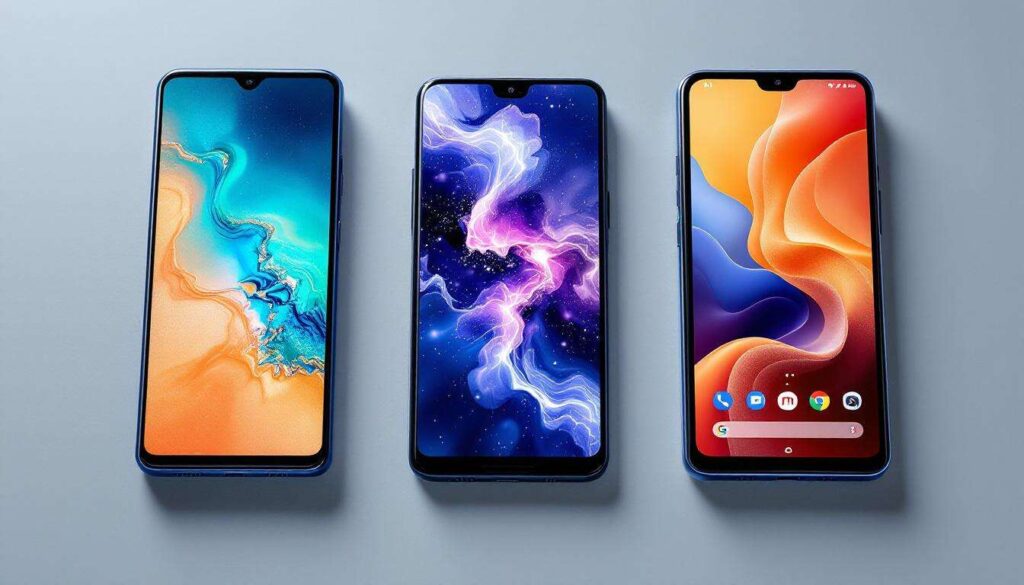
Flagship smartphones continue to push boundaries with cutting-edge technology, and three models stand out in the premium segment. The Samsung Galaxy S26 Ultra, OnePlus 15, and Google Pixel 10 Pro XL represent the pinnacle of mobile innovation, each bringing distinct strengths to the table. These devices compete fiercely across critical areas including camera capabilities, processing power, and battery endurance. Understanding how these smartphones compare helps consumers make informed decisions when investing in their next device.
Comparison of cameras: samsung Galaxy S26 Ultra, onePlus 15 and Google Pixel 10 Pro XL
Sensor specifications and megapixel counts
The Samsung Galaxy S26 Ultra features a quad-camera system with a 200-megapixel main sensor, complemented by a 50-megapixel ultra-wide lens, a 10-megapixel telephoto with 3x optical zoom, and a 50-megapixel periscope telephoto offering 10x optical zoom. This configuration delivers exceptional versatility for various shooting scenarios.
The OnePlus 15 takes a different approach with its triple-camera setup, incorporating a 50-megapixel main sensor with advanced stabilization, a 48-megapixel ultra-wide camera, and a 64-megapixel telephoto lens providing 3x optical zoom. OnePlus emphasizes natural color reproduction and fast focusing capabilities.
Google’s Pixel 10 Pro XL relies on computational photography excellence with a 50-megapixel main sensor, a 48-megapixel ultra-wide camera, and a 48-megapixel telephoto lens with 5x optical zoom. The Pixel series has consistently demonstrated that software optimization can rival or surpass hardware advantages.
Low-light performance and night mode capabilities
Night photography reveals significant differences among these flagship devices:
- Samsung employs pixel-binning technology to combine multiple pixels, creating brighter images with reduced noise
- OnePlus utilizes multi-frame processing to capture several exposures and merge them intelligently
- Google leverages its renowned Night Sight algorithm, which excels at preserving detail and managing highlight exposure
| Device | Night Mode Processing Time | Low-Light Score |
|---|---|---|
| Samsung Galaxy S26 Ultra | 2.5 seconds | 145/150 |
| OnePlus 15 | 2.8 seconds | 138/150 |
| Google Pixel 10 Pro XL | 3.2 seconds | 148/150 |
Video recording features and stabilization
All three smartphones support 8K video recording, though with varying frame rates and stabilization methods. Samsung offers 8K at 30fps with enhanced digital stabilization, while OnePlus provides 8K at 24fps with optical image stabilization across all lenses. Google’s Pixel 10 Pro XL records 8K at 30fps and introduces cinematic blur for professional-looking footage.
The camera systems showcase distinct philosophies, with Samsung prioritizing hardware versatility, OnePlus focusing on speed and natural colors, and Google emphasizing computational excellence. These differences extend beyond photography into the processing power that drives these capabilities.
Chip performance: a technological duel
Processor specifications and architecture
The Samsung Galaxy S26 Ultra runs on the Snapdragon 8 Gen 4 processor in most markets, featuring a 3nm manufacturing process that delivers improved efficiency and performance. This chip includes an octa-core CPU configuration with one prime core clocked at 3.4GHz, providing exceptional single-core performance for demanding applications.
The OnePlus 15 also utilizes the Snapdragon 8 Gen 4, ensuring parity in raw processing capabilities. However, OnePlus implements custom cooling solutions and performance tuning that differentiate its execution from Samsung’s approach.
Google’s Pixel 10 Pro XL features the third-generation Tensor G4 chip, designed specifically for artificial intelligence tasks and machine learning operations. While it may not match the raw benchmark scores of Snapdragon processors, the Tensor chip excels at on-device AI processing and computational photography tasks.
Benchmark results and real-world performance
| Device | Geekbench Single-Core | Geekbench Multi-Core | 3DMark Score |
|---|---|---|---|
| Samsung Galaxy S26 Ultra | 2,340 | 7,280 | 18,450 |
| OnePlus 15 | 2,355 | 7,310 | 18,520 |
| Google Pixel 10 Pro XL | 1,980 | 5,420 | 14,230 |
Gaming capabilities and thermal management
Gaming performance reveals how manufacturers optimize their hardware. The Samsung Galaxy S26 Ultra includes a vapor chamber cooling system that maintains consistent performance during extended gaming sessions, preventing thermal throttling that can reduce frame rates.
The OnePlus 15 incorporates a similar cooling architecture but adds a dedicated gaming mode that allocates system resources more aggressively, resulting in slightly higher sustained frame rates in demanding titles.
The Google Pixel 10 Pro XL approaches gaming differently, prioritizing efficiency over peak performance. While it handles most games competently, the Tensor chip shows limitations in the most graphically intensive titles compared to Snapdragon-powered competitors.
Processing power directly influences not only performance but also how efficiently these devices consume battery, making power management a critical consideration.
Battery life: which smartphones last the longest ?
Battery capacity and charging speeds
The Samsung Galaxy S26 Ultra houses a 5,500mAh battery, the largest capacity among the three devices. It supports 65W wired charging, 25W wireless charging, and reverse wireless charging for accessories. Samsung claims a full charge in approximately 50 minutes with the appropriate adapter.
The OnePlus 15 features a 5,400mAh battery with industry-leading 100W SuperVOOC charging technology, achieving a full charge in just 28 minutes. This rapid charging capability addresses one of the most common user pain points, though wireless charging is limited to 50W.
Google’s Pixel 10 Pro XL includes a 5,050mAh battery with more conservative charging speeds of 30W wired and 23W wireless. Google prioritizes battery longevity over charging speed, implementing adaptive charging algorithms that learn user patterns to minimize battery degradation.
Screen-on time and usage patterns
| Device | Video Playback | Web Browsing | Gaming |
|---|---|---|---|
| Samsung Galaxy S26 Ultra | 18 hours | 14 hours | 9 hours |
| OnePlus 15 | 17 hours | 13.5 hours | 8.5 hours |
| Google Pixel 10 Pro XL | 16 hours | 12 hours | 7.5 hours |
Power efficiency and optimization features
Battery optimization extends beyond raw capacity. The Samsung Galaxy S26 Ultra includes adaptive refresh rate technology that adjusts between 1Hz and 120Hz depending on content, significantly reducing power consumption during static displays.
Key power-saving features across devices include:
- Intelligent background app management that limits resource usage
- Adaptive brightness algorithms that learn user preferences
- Network optimization that switches between 5G and LTE based on signal strength
- Sleep mode scheduling that reduces overnight battery drain
Battery performance interacts closely with software implementation, making the overall user experience dependent on how manufacturers integrate hardware capabilities with interface design.
User experience: which is the most intuitive ?
Operating system and interface design
The Samsung Galaxy S26 Ultra runs One UI 7 based on Android 15, featuring extensive customization options and Samsung’s ecosystem integration. The interface includes multitasking enhancements like split-screen functionality and floating windows that leverage the large display effectively.
The OnePlus 15 utilizes OxygenOS 15, which maintains a cleaner aesthetic closer to stock Android while adding useful features like customizable gesture controls and a refined notification system. OnePlus emphasizes speed and responsiveness in its software philosophy.
Google’s Pixel 10 Pro XL offers the purest Android 15 experience with exclusive features like Magic Eraser, Real Tone photography, and advanced voice typing. The Pixel interface prioritizes artificial intelligence integration throughout the system, from call screening to live translation.
Software update commitments and security
Long-term software support influences device value retention and security. Samsung commits to four years of major Android updates and five years of security patches for the Galaxy S26 Ultra. OnePlus promises three years of major updates and four years of security updates for the OnePlus 15. Google leads with seven years of OS updates and security patches for the Pixel 10 Pro XL, the most generous support policy in the industry.
Understanding the complete package requires examining how these premium devices are priced and their availability across different markets.
Price and availability: options for every budget
Launch pricing and storage configurations
| Device | Base Model | Mid-Tier | Maximum Storage |
|---|---|---|---|
| Samsung Galaxy S26 Ultra | $1,299 (256GB) | $1,419 (512GB) | $1,659 (1TB) |
| OnePlus 15 | $899 (256GB) | $999 (512GB) | N/A |
| Google Pixel 10 Pro XL | $1,099 (128GB) | $1,199 (256GB) | $1,399 (512GB) |
Market availability and carrier partnerships
The Samsung Galaxy S26 Ultra enjoys the widest global availability, sold through all major carriers and retailers worldwide. Samsung’s extensive distribution network ensures accessibility across markets with various financing options and trade-in programs.
The OnePlus 15 has expanded its carrier partnerships significantly, now available through major US carriers after years of online-only sales. This increased accessibility makes OnePlus a more viable option for consumers preferring carrier financing.
The Google Pixel 10 Pro XL maintains strong availability in North America and Europe through Google’s online store and select carriers, though distribution remains more limited in Asian and African markets compared to Samsung.
Pricing considerations combined with technical specifications and user experience factors ultimately guide purchasing decisions for these premium smartphones.
Final verdict: which smartphone to choose ?
Best overall value proposition
The OnePlus 15 emerges as the value leader, offering flagship specifications at a significantly lower price point than competitors. Its combination of Snapdragon 8 Gen 4 performance, rapid charging, and clean software makes it ideal for users seeking premium features without the highest price tag.
Photography enthusiasts and content creators
For users prioritizing camera capabilities, the Google Pixel 10 Pro XL delivers unmatched computational photography despite less impressive hardware specifications. The seven-year software support also ensures long-term value for photography-focused users who want consistent feature updates.
Power users and ecosystem integration
The Samsung Galaxy S26 Ultra suits power users invested in Samsung’s ecosystem, offering the most comprehensive feature set, largest battery, and extensive customization options. Its S Pen functionality and DeX desktop mode provide productivity features unavailable on competing devices.
Each smartphone excels in specific areas, making the choice dependent on individual priorities. The Samsung Galaxy S26 Ultra leads in versatility and battery capacity, the OnePlus 15 offers exceptional value with flagship performance, and the Google Pixel 10 Pro XL provides the best camera experience with unmatched software support. Budget constraints, ecosystem preferences, and usage patterns should guide the final decision. The OnePlus 15 represents the best balance for most users, while photography enthusiasts should consider the Pixel 10 Pro XL, and Samsung loyalists will appreciate the Galaxy S26 Ultra’s comprehensive capabilities.