



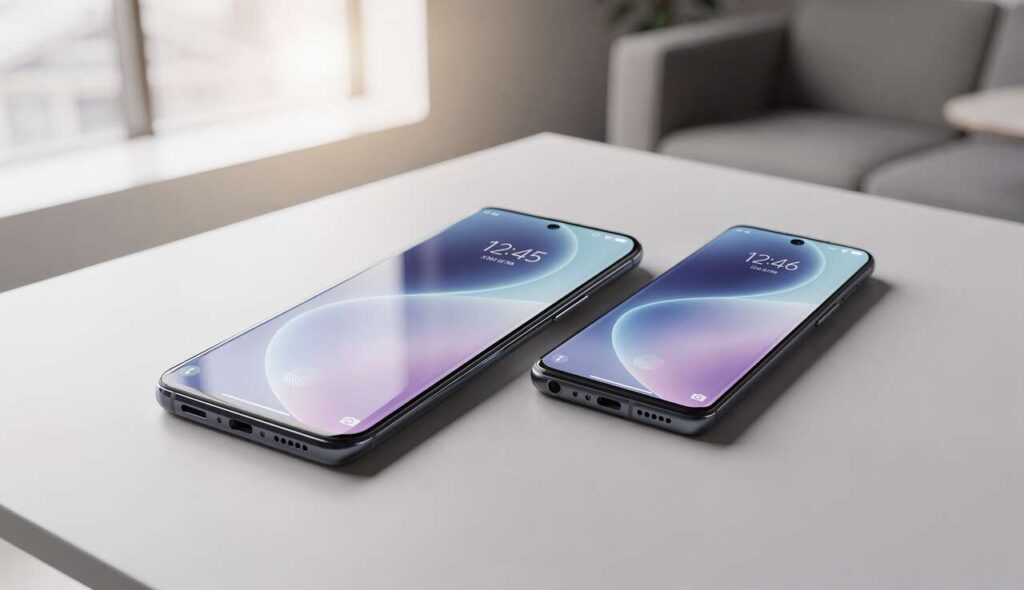
Vivo continues to expand its global footprint with two new smartphones that have recently cleared Federal Communications Commission certification. The Vivo X300 Ultra and Vivo X300 FE represent the company’s latest effort to penetrate Western markets, particularly the United States and Europe. This regulatory milestone signals that both devices are moving closer to official availability outside of China, where Vivo has already established a strong presence. The certification process provides crucial insights into the technical specifications and network capabilities that these smartphones will offer to consumers in new territories.
FCC certification: what you need to know
The Federal Communications Commission plays a critical regulatory role in determining which electronic devices can legally operate within the United States. Any wireless device that emits radio frequency energy must receive FCC approval before manufacturers can sell it to American consumers. This certification process ensures that products meet safety standards and do not interfere with other wireless communications.
What the certification process reveals
When devices like the Vivo X300 Ultra and X300 FE undergo FCC testing, the documentation filed provides valuable information about their capabilities. The certification typically discloses:
- Supported frequency bands and network compatibility
- Wireless connectivity features including Wi-Fi standards and Bluetooth versions
- Battery capacity and charging specifications
- Physical dimensions and design elements
- Radiation levels and safety compliance data
Timing and market implications
The appearance of these devices in the FCC database indicates that Vivo has completed the necessary technical preparations for a Western launch. Historically, smartphones typically reach retail channels within two to three months after receiving regulatory approval. This timeline allows manufacturers to finalize distribution agreements, prepare marketing campaigns, and establish retail partnerships. The simultaneous certification of both the Ultra and FE models suggests a coordinated launch strategy designed to capture multiple market segments.
Understanding the regulatory landscape helps contextualize how these devices will perform once they reach consumers, particularly regarding network compatibility and feature availability in different regions.
Features and innovations of the Vivo X300 Ultra
The Vivo X300 Ultra positions itself as a flagship competitor in the premium smartphone segment. Based on available information and industry patterns, this device incorporates cutting-edge technology designed to attract enthusiasts and professionals.
Camera system advancements
Vivo has built its reputation on exceptional camera performance, and the X300 Ultra continues this tradition. The device reportedly features a sophisticated imaging system that includes:
- A primary sensor with advanced computational photography capabilities
- Periscope telephoto lens offering extended optical zoom ranges
- Ultra-wide-angle lens with improved low-light performance
- Zeiss-tuned optics for color accuracy and clarity
- Enhanced video recording features including stabilization and HDR support
Performance and display specifications
The Ultra model is expected to feature flagship-level processing power with the latest chipset technology. The display likely incorporates AMOLED technology with high refresh rates, providing smooth scrolling and responsive touch input. Battery capacity should support all-day usage, complemented by fast charging technology that minimizes downtime.
| Component | Expected Specification |
|---|---|
| Processor | Latest generation flagship chipset |
| Display | 6.7-inch AMOLED, 120Hz refresh rate |
| RAM | 12GB to 16GB options |
| Storage | 256GB to 512GB variants |
| Battery | 5000mAh with 100W fast charging |
These specifications position the X300 Ultra as a direct competitor to established premium devices, while the more accessible FE variant aims to broaden Vivo’s market reach.
The Vivo X300 FE: what to expect
The Fan Edition designation indicates a device that balances performance with affordability. Vivo follows a strategy employed successfully by other manufacturers, offering flagship features at a more accessible price point.
Strategic compromises and retained features
The X300 FE likely maintains core strengths while making calculated adjustments to reduce production costs. Expected differences from the Ultra model include:
- Slightly less powerful processor while maintaining smooth performance
- Simplified camera system retaining strong primary sensor quality
- Plastic frame construction instead of premium materials
- Reduced charging speeds compared to the Ultra variant
- Standard refresh rate display or slightly smaller screen size
Target audience and positioning
The FE model targets consumers who prioritize value without sacrificing essential features. This segment includes users upgrading from mid-range devices and those seeking reliable performance for everyday tasks. By offering two distinct models, Vivo can appeal to both premium buyers and budget-conscious shoppers, maximizing its potential market penetration in new territories.
With both devices now certified and their respective market positions defined, attention turns to how Vivo plans to introduce these smartphones to American consumers.
Launch strategy in the United States
Entering the American smartphone market presents unique challenges for manufacturers outside the traditional dominant players. Vivo must navigate carrier relationships, retail partnerships, and brand recognition obstacles.
Distribution and carrier partnerships
Success in the United States typically requires collaboration with major carriers. Vivo will likely pursue agreements with networks to offer subsidized device pricing through contract plans. Alternative distribution channels may include:
- Direct online sales through the company website
- Partnerships with electronics retailers for physical presence
- Amazon and other e-commerce platforms for broader reach
- Unlocked device sales targeting flexibility-focused consumers
Marketing and brand awareness campaigns
Building recognition in a market dominated by established brands requires significant marketing investment. Vivo’s strategy will likely emphasize its camera technology and competitive pricing. The company may leverage social media influencers, technology reviewers, and targeted advertising to reach potential customers who prioritize specifications and value over brand loyalty.
While the American market presents opportunities, European expansion offers different dynamics and potential for growth.
Planned deployment in Europe
Europe represents a diverse market with varying consumer preferences across different countries. Vivo’s approach must account for regional differences while maintaining brand consistency.
Regional priorities and market entry
The European smartphone landscape includes markets with different levels of competition and consumer behavior. Vivo will likely prioritize:
- Western European countries with high smartphone adoption rates
- Markets where Chinese manufacturers have already gained acceptance
- Regions with price-sensitive consumers receptive to value propositions
- Countries with strong online retail infrastructure for direct sales
Regulatory compliance and network compatibility
European certification requirements differ from American standards, requiring separate approval processes. The devices must support frequency bands used by European carriers and comply with EU regulations regarding consumer protection, warranty standards, and environmental requirements. Network compatibility across multiple countries becomes essential, as consumers often travel within the European Union and expect seamless connectivity.
| Market Factor | United States | Europe |
|---|---|---|
| Carrier Dominance | High | Moderate |
| Direct Sales Potential | Growing | Strong |
| Brand Recognition Challenge | Significant | Moderate |
| Price Sensitivity | Moderate | High in some regions |
These market dynamics shape how Vivo will position itself competitively and what long-term prospects the company faces in Western markets.
Market outlook for Vivo
The expansion into Western markets represents a significant strategic move for Vivo as global smartphone sales mature and competition intensifies.
Competitive landscape analysis
Vivo enters markets where established players maintain strong positions. The company’s success depends on differentiating its products through superior camera technology, competitive pricing, and innovative features. Chinese manufacturers have demonstrated that Western consumers will embrace new brands when devices offer compelling value propositions and reliable performance.
Growth potential and challenges
Several factors will influence Vivo’s trajectory in these new markets:
- Consumer willingness to try alternatives to dominant brands
- Ability to establish reliable customer service and support networks
- Success in securing prominent retail placement and visibility
- Positive reception from technology media and reviewers
- Competitive response from established manufacturers
The smartphone industry continues evolving, with consumers increasingly prioritizing specific features over brand loyalty. This shift creates opportunities for manufacturers like Vivo to gain market share by delivering targeted innovations that address user needs. The simultaneous launch of premium and value-oriented models demonstrates a comprehensive approach to capturing diverse consumer segments.
The FCC certification of the Vivo X300 Ultra and X300 FE marks a pivotal moment in the company’s global expansion strategy. These devices bring advanced camera systems, competitive specifications, and strategic pricing to American and European markets. Success will depend on effective distribution partnerships, compelling marketing, and delivering on the promise of quality that has established Vivo’s reputation in other regions. As regulatory approval clears the path forward, consumers in Western markets will soon have additional choices in the competitive smartphone landscape, potentially benefiting from increased competition and innovation.