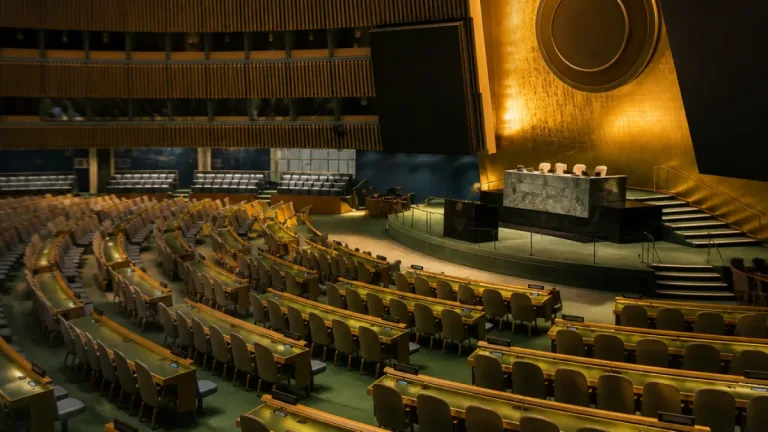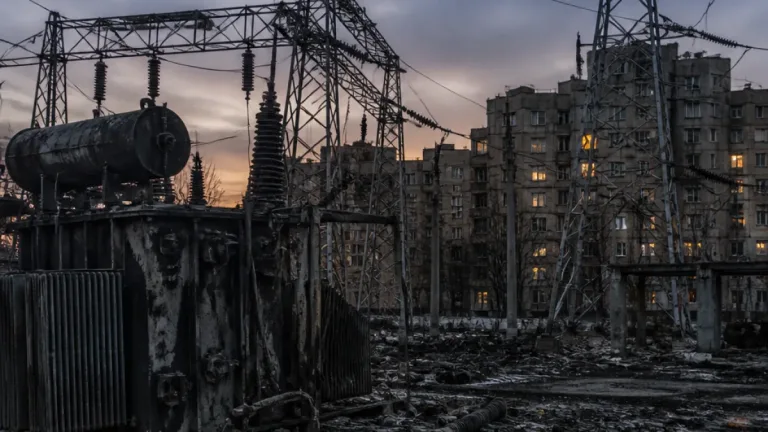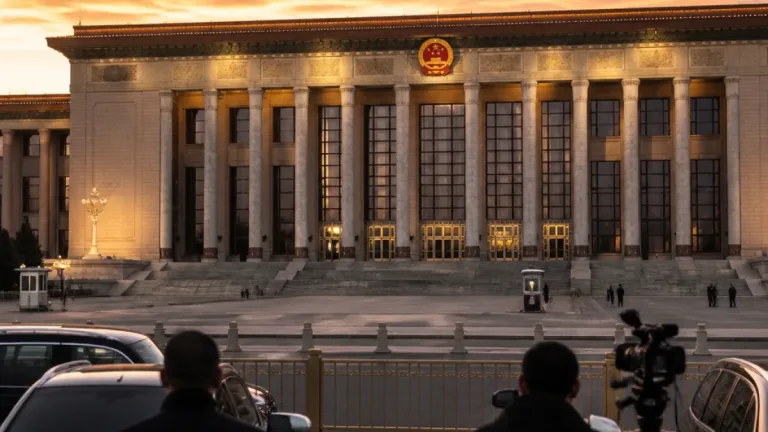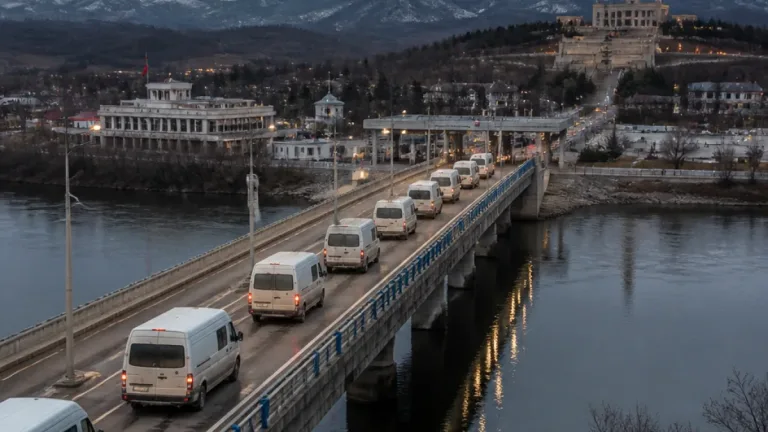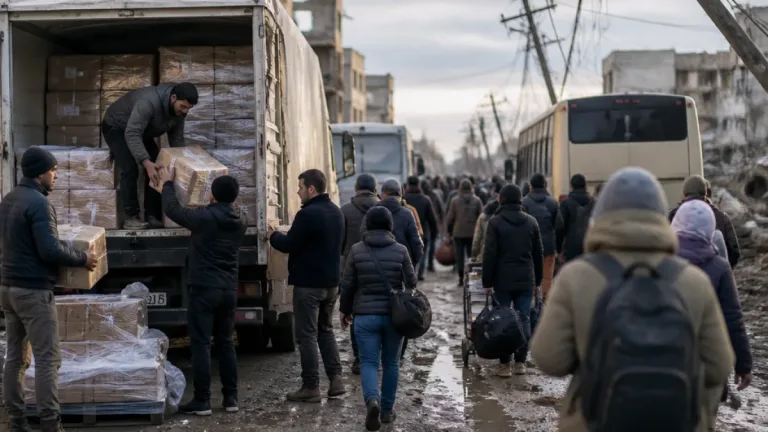
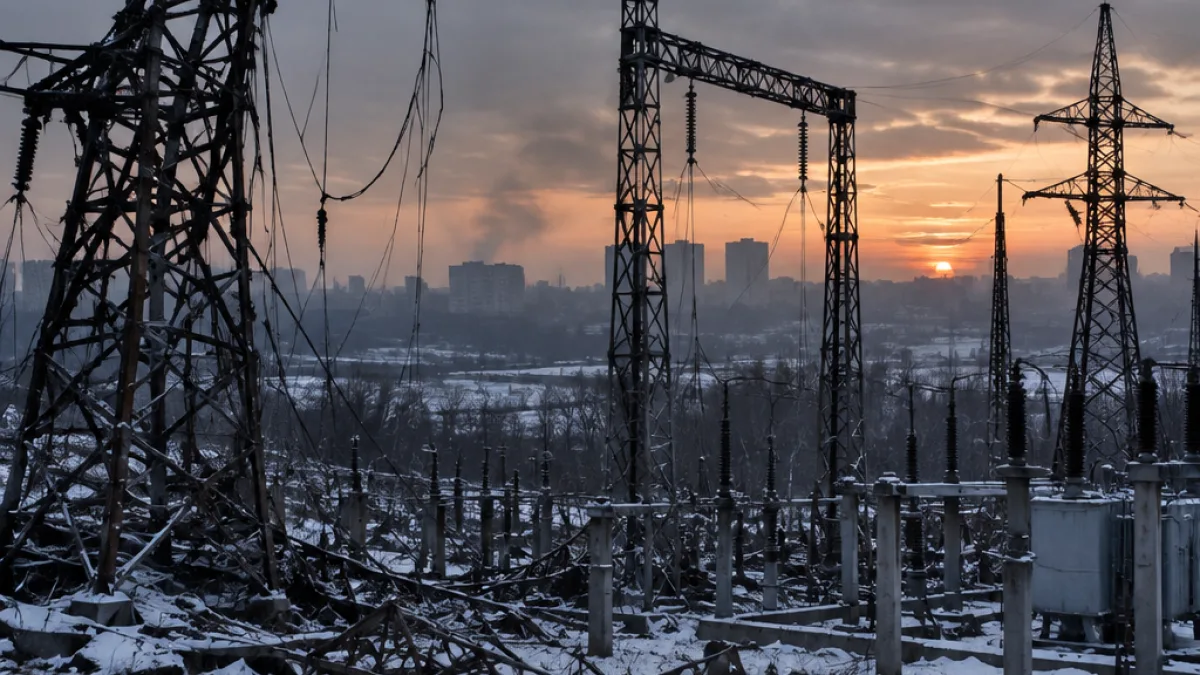
European Union foreign ministers accused Russia on Monday of prolonging negotiations over the war in Ukraine while increasing attacks on power plants and other infrastructure ahead of winter. The ministers said the immediate priority should be a ceasefire followed by a durable peace agreement, rather than new negotiations over Europe’s security structure.
The EU also approved sanctions against nearly 50 Russian banks and financial institutions, along with businesspeople connected to the energy sector and others accused of promoting Russian propaganda and disinformation. The measures include asset freezes and travel bans for people listed under the bloc’s sanctions regime.
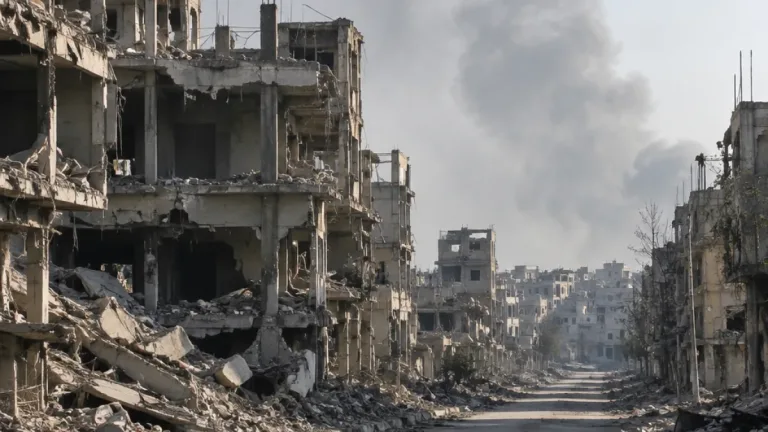
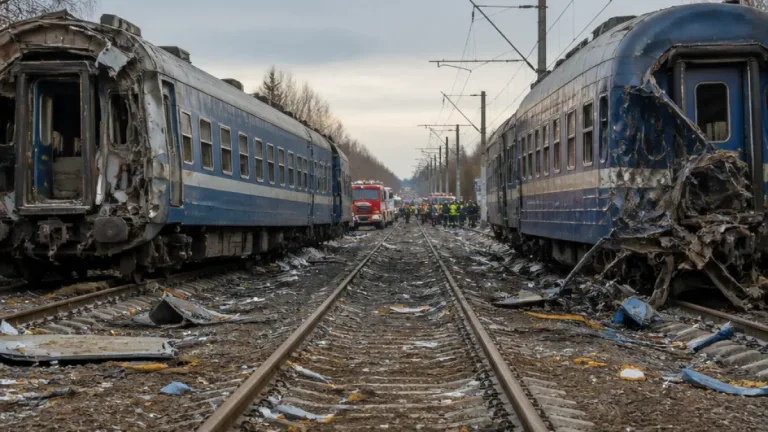
EU foreign policy chief Kaja Kallas, who chaired the meeting in Brussels, said the situation had worsened as Russia continued attacks on Ukraine’s energy system.
“Let’s not blur the picture right now. What we need to see is a ceasefire. We don’t see it at the moment. We see that Russia is really escalating.” — EU foreign policy chief Kaja Kallas
The European ministers’ comments followed negotiations in Abu Dhabi last week that involved Ukraine, Russia and the United States. Washington encouraged Ukraine and its supporters to consider a Russian proposal for a new security framework in Europe as part of an effort to advance a peace deal.
European governments objected to the proposal because they view it as an attempt to reduce NATO’s military presence in Eastern Europe. The framework would require the alliance to move troops and equipment farther west, toward the posture NATO maintained before the Czech Republic, Hungary and Poland joined in 1999.
Kallas rejected the demand, arguing that the countries that joined NATO after the Cold War had not attacked Russia. She said Moscow was seeking additional concessions even though Russia launched the war, while Ukraine remained the country suffering the direct consequences.
German Foreign Minister Johann Wadephul said Europe already has a security arrangement and that any peace agreement would need to respect it.
“Europe has a security architecture – we don’t need a new one, we just need respect from everyone for the existing security architecture.” — German Foreign Minister Johann Wadephul
Wadephul described respect for the current system as the basis for any agreement acceptable to European governments. Lithuanian Foreign Minister Kęstutis Budrys also said Europe did not need a replacement security framework.
Sanctions target finance and energy
The sanctions announced Monday broadened the EU’s pressure on Russia’s financial system and energy-related businesses. The bloc said the restrictions were intended to limit channels that handle Russian state revenue and help finance the war effort.
- Nearly 50 Russian banks and financial institutions were included.
- Several businesspeople linked to Russia’s energy sector were targeted.
- Dozens of people accused of spreading pro-Russian propaganda and disinformation face asset freezes and travel bans.
EU ministers tied the sanctions and their warnings about the talks to Russia’s strikes on Ukraine’s civilian infrastructure. The ministers said Moscow should stop demanding changes to Europe’s security arrangements and instead move toward a ceasefire and a peace settlement.