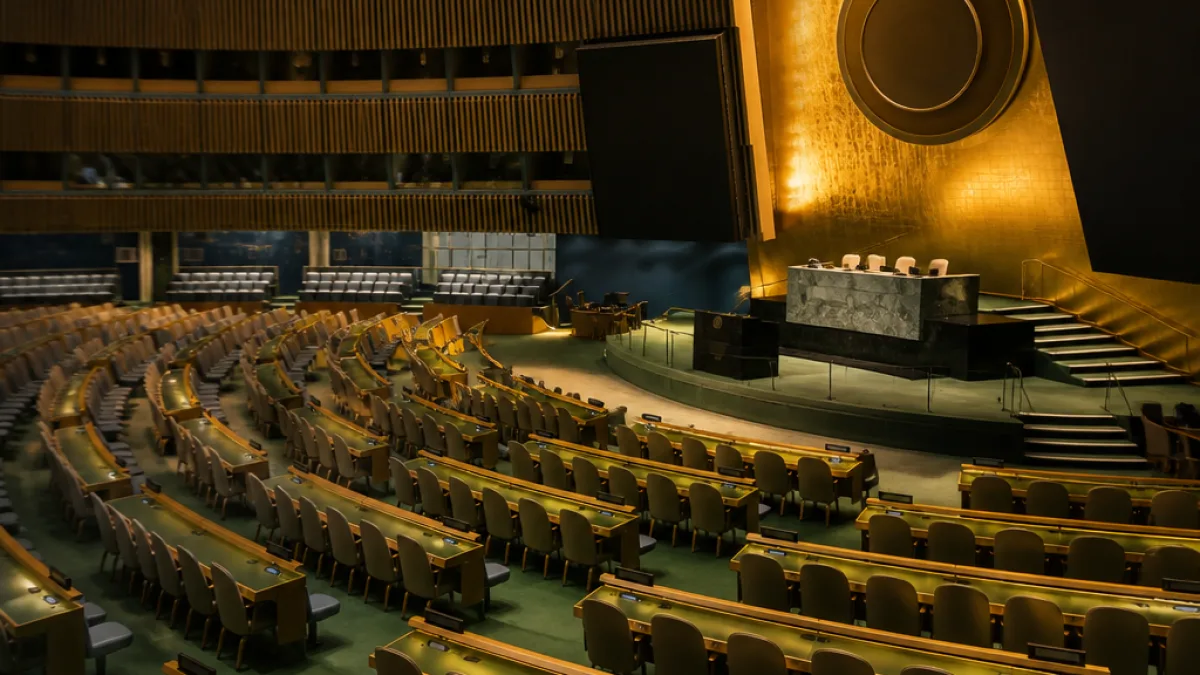
The U.N. General Assembly again called for an end to the U.S. economic, trade and financial embargo against Cuba, but the resolution received its weakest level of support in more than three decades. The measure passed with 130 countries in favor, 17 against and 25 abstentions, compared with more than 160 votes in favor last year.
The resolution has been introduced and approved nearly every year since 1992. Although it is not legally binding, the vote is used as an indication of international opinion on the long-running U.S. policy toward the island. The measure calls for the embargo to be lifted and for restrictions affecting Cuba’s commerce and access to financial transactions to be removed.
A lower level of support
Several countries changed their positions in this year’s vote. Germany, Italy and Latvia abstained for the first time in 34 years, while Colombia, Costa Rica, Ecuador, Morocco, Slovenia and Bosnia voted against the resolution, in some cases for the first time.
- 130 countries voted for the resolution.
- 17 countries voted against it.
- 25 countries abstained.
- Last year, more than 160 countries supported the measure.
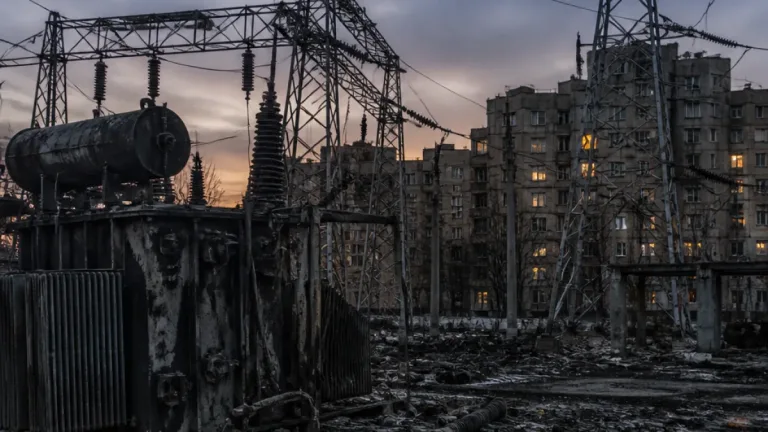
The embargo dates to 1960, after the revolution led by Fidel Castro and the nationalization of property owned by U.S. companies. Washington has expanded pressure on Havana in recent weeks through restrictions on oil supplies and broad sanctions, measures that have contributed to severe economic strain in Cuba, according to the account of the debate.
U.S. and Cuban officials trade accusations
U.S. Ambassador to the United Nations Mike Waltz rejected the description of U.S. policy as a blockade shortly before the vote. He attributed the hardships facing Cubans to the government in Havana rather than to American restrictions.
“The plight of the Cuban people is exclusively the fault of this corrupt communist regime.” — Mike Waltz, U.S. ambassador to the United Nations
The Cuban government has accused the United States of using diplomatic pressure to persuade countries to withdraw their backing for the resolution. Cuban Foreign Minister Bruno Rodríguez said Washington was attempting to influence Cuba’s political future and gain control of its resources.
“Determine the nation’s destiny” and “seize” its wealth. — Bruno Rodríguez, Cuban foreign minister
During the General Assembly session, Rodríguez and Waltz also had a heated exchange. Rodríguez approached the U.S. ambassador and accused him of lying, while Waltz told him to back away. Waltz also criticized senior Cuban officials over their lifestyles as ordinary Cubans faced shortages and displayed photographs of Cuban leaders, including President Miguel Díaz-Canel.
The vote came as relations between Washington and Havana remained tense. The United States has continued its pressure campaign against Cuba, while Cuban officials have sought international support for ending the embargo and have portrayed U.S. sanctions as a central cause of the island’s economic difficulties.