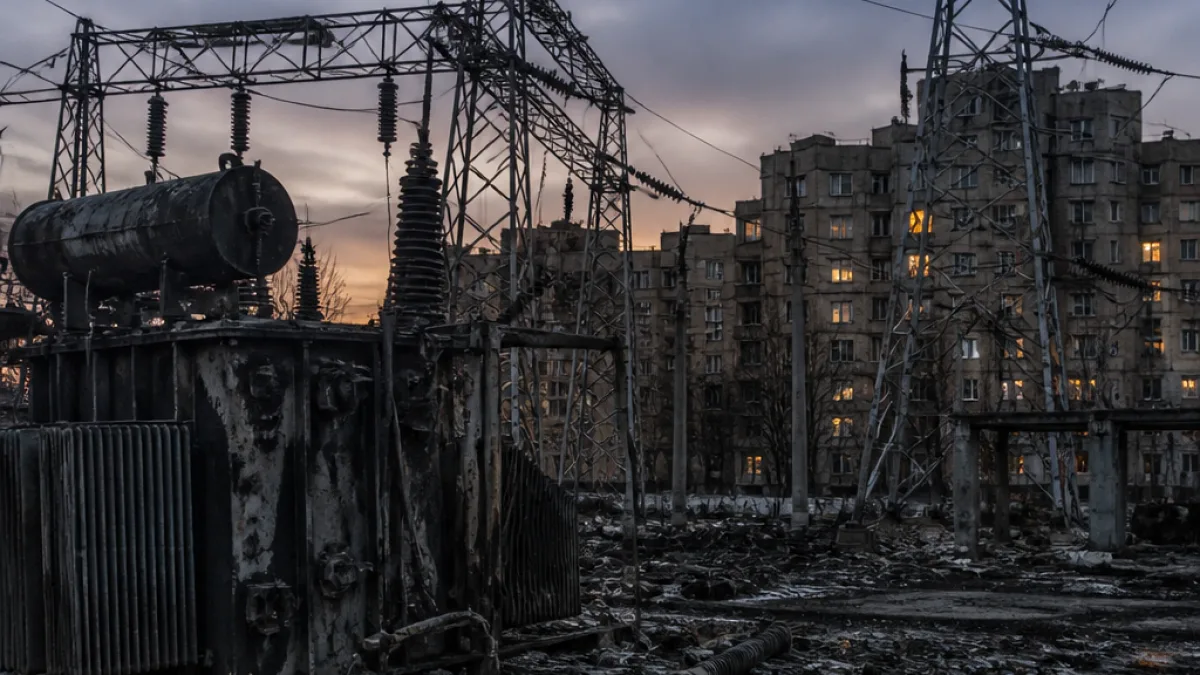
The United Nations–backed independent commission of inquiry reported Monday that Russian forces intentionally struck Ukraine’s energy infrastructure, actions the panel said amount to both war crimes and crimes against humanity and have left millions of civilians without electricity and heat as winter approaches.
Findings and the commission’s judgment
The commission, authorized by the Geneva-based Human Rights Council after Russia’s full-scale invasion in February 2022, said its investigation found deliberate attacks on facilities essential to civilian life and that those strikes caused prolonged outages that exposed vulnerable populations to extreme hardship.
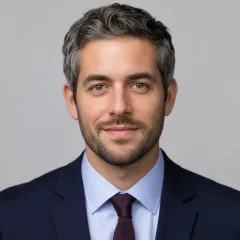
“inflicting great suffering to civilians,” commission chair Erik Mose said at a U.N. news conference, speaking by video.
Mose, a former Norwegian judge who chairs the commission, told reporters the pattern and intent behind the strikes led the panel to conclude they were “intentionally directed against civilian objects,” a legal standard the commission applied in determining they constituted war crimes. The report also classified the impact of the attacks as crimes against humanity because of the scale and severity of suffering inflicted on the civilian population, the commission said.
Humanitarian toll and winter risk
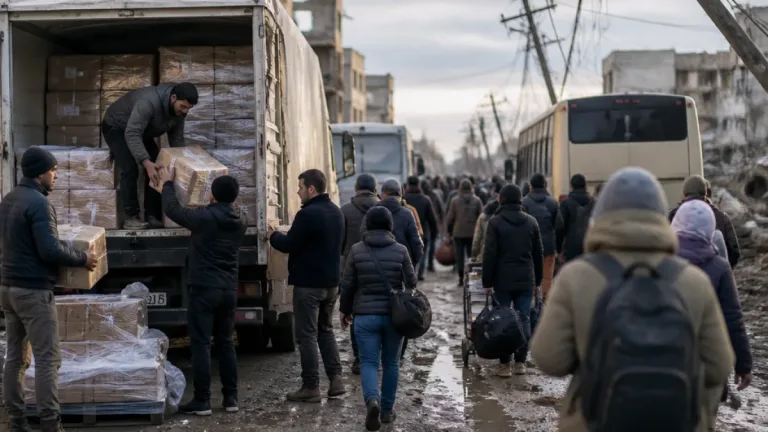
The inquiry detailed widespread consequences from electricity cuts: large numbers of Ukrainians endured extended periods without power and heating, hospitals and clinics faced interruptions to life-sustaining equipment, and older residents were left unable to use elevators or access shelters during separate missile and drone attacks, the panel said.
- Millions were reported by the commission to have been affected by outages that intensified as colder months approached.
- The panel emphasized impacts on hospitals, elderly residents and other civilians dependent on uninterrupted services.
- Investigators said the attacks formed part of a broader pattern rather than isolated incidents.
Recruitment of foreign fighters
In addition to the energy-infrastructure findings, the commission reported evidence that Russian forces recruited men from 29 countries into their armed forces “through deception or coercion” to fight in Ukraine. The recruited men, the inquiry said, ranged in age from 18 to 60 and were often drawn from marginalized, economically vulnerable communities with low education levels. The commission characterized those recruitment practices as violations of international law.
Origins and next steps
The independent commission of inquiry presented its findings in a report to the U.N. General Assembly’s human rights committee. The panel’s conclusions could be used by prosecutors and courts that investigate alleged international crimes, although the report itself does not initiate prosecutions. The commission did not announce criminal charges; it published its evidence and legal assessments to document alleged violations and to support future accountability measures by other international or national bodies.
The Human Rights Council established the inquiry soon after the 2022 invasion to investigate alleged human rights violations during the conflict. The commission said it examined attacks across Ukrainian territory and evaluated intent, target selection and effects on civilians to reach its conclusions.
Russia did not accept the commission’s mandate and has routinely rejected U.N. findings that criticize its conduct in Ukraine. The commission’s report and Mose’s public presentation add to a body of international documentation of alleged abuses amid the grinding war, and they underscore concerns about civilian protection as temperatures fall.