The National Weather Service issued a winter storm warning Monday for several mountain areas in Northern California, with the alert set to begin Tuesday at 10 p.m. and remain in effect through 4 a.m. Friday.
The warning covers higher elevations in the Sierra Nevada across parts of Tehama, Butte, Plumas, Yuba, Sierra, Nevada, Placer, El Dorado, Amador, Calaveras and Tuolumne counties. It includes portions of Interstate 80 between about 3,000 and 5,000 feet and Highway 50 in the same elevation range.
Heaviest snow expected Wednesday
Forecasters expect total snowfall of up to 1 foot between 4,000 and 5,000 feet. Flurries or a light dusting could reach elevations as low as 3,500 feet. Snow levels are expected to range from 3,500 to 4,500 feet Tuesday night before rising to about 4,500 to 5,500 feet Wednesday.
“Heaviest snow is expected Wednesday morning into the afternoon hours, with snowfall rates 1-2+ inches per hour.”
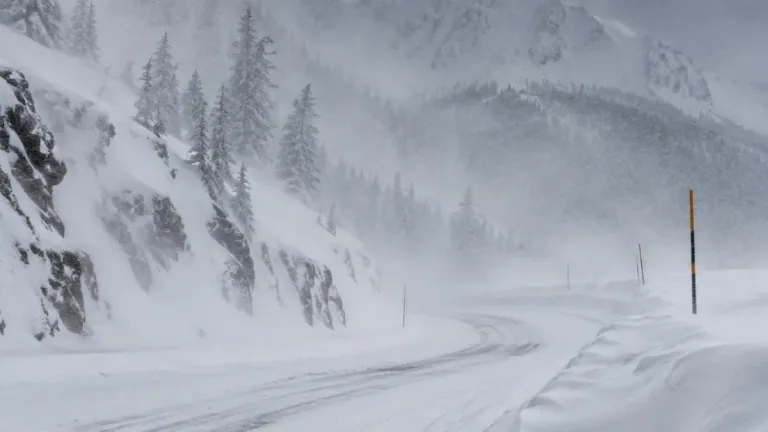
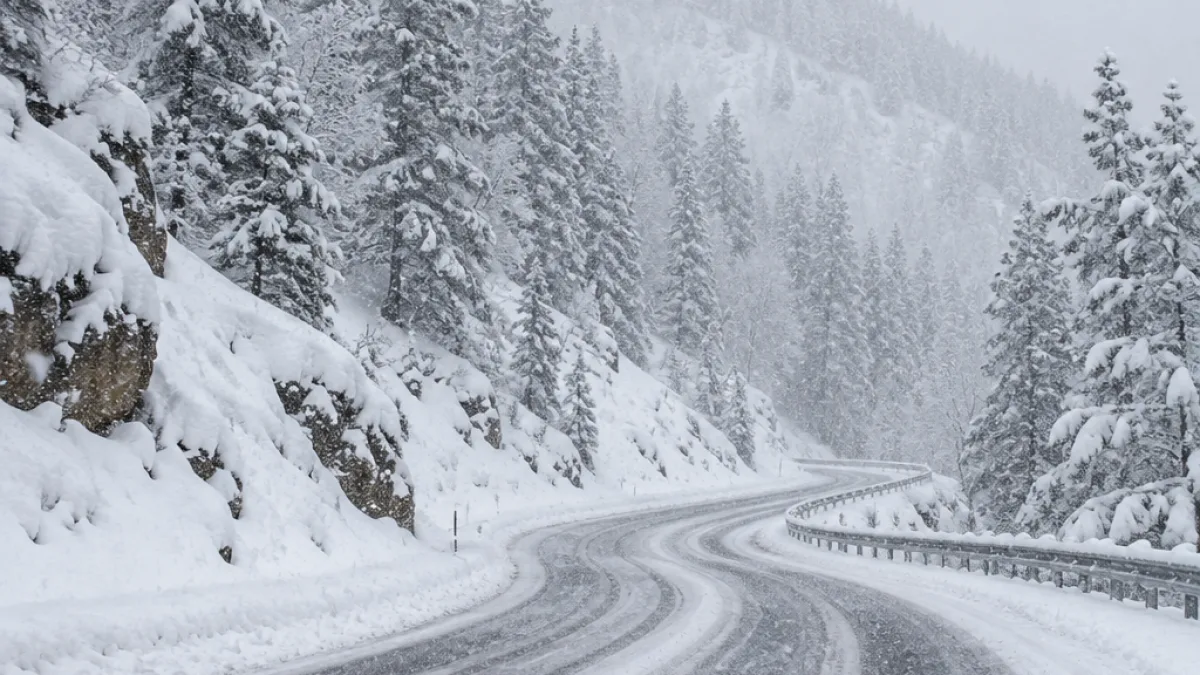
The National Weather Service said winds could gust as high as 40 mph. The combination of snowfall and wind could reduce visibility and leave roads snow-covered during the warning period.
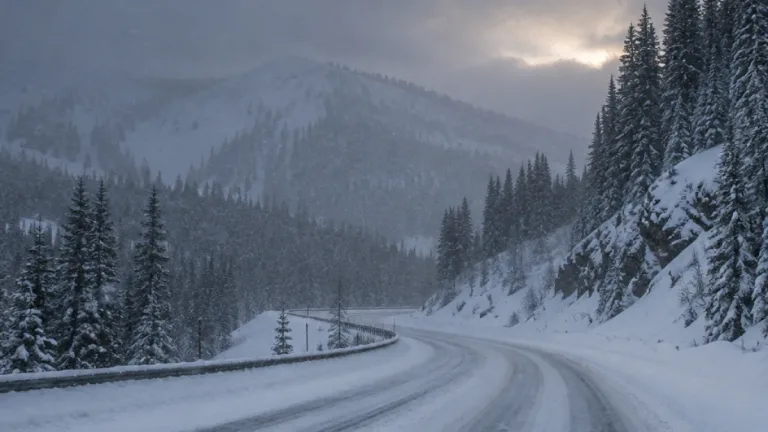
The agency warned that travel could become very difficult or impossible from Tuesday night through early Friday. Gusty winds also could bring down tree branches and contribute to additional visibility problems along mountain roads.
Areas under the warning
- Sierra Nevada of Tehama, Butte and Plumas counties above 3,000 feet
- Sierra Nevada of Yuba, Sierra, Nevada and Placer counties between 3,000 and 5,000 feet, including Interstate 80
- Sierra Nevada of El Dorado and Amador counties between 3,000 and 5,000 feet, including Highway 50
- Sierra Nevada of Calaveras and Tuolumne counties between 3,000 and 5,000 feet
The National Weather Service advised people who must drive in snow or freezing rain to slow down and account for the possibility of ice when temperatures are near freezing. The agency also warned that ice on power lines or tree branches can cause them to break. Drivers who encounter a downed power line should avoid touching it and call 911.
For longer trips, the agency recommended telling family or friends the planned route and expected arrival time. It also advised choosing routes with fewer trees and power lines when hazardous winter conditions are present.