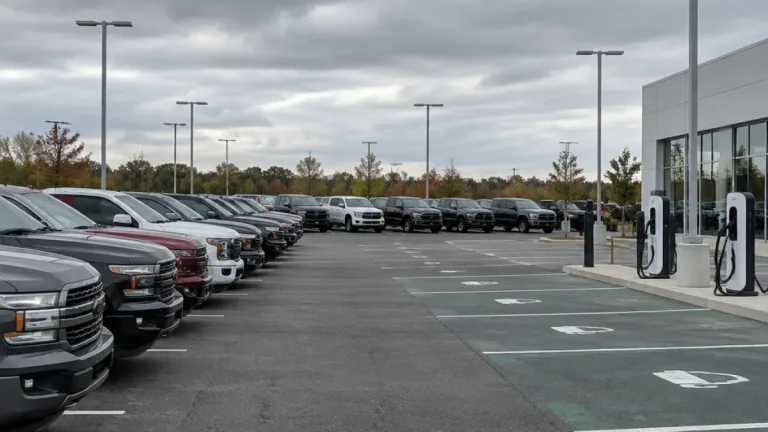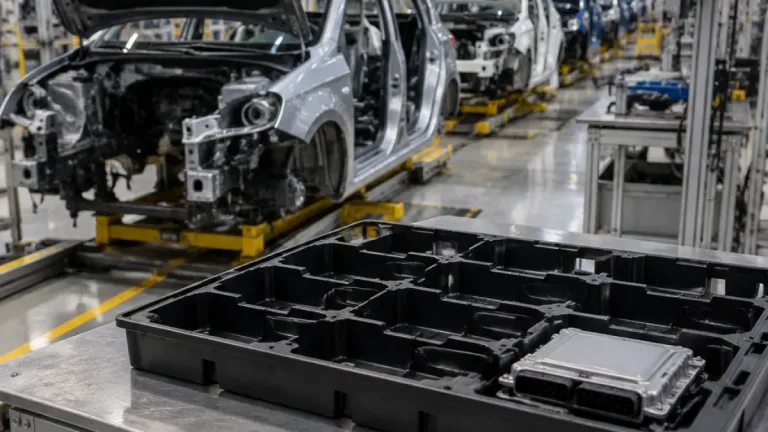
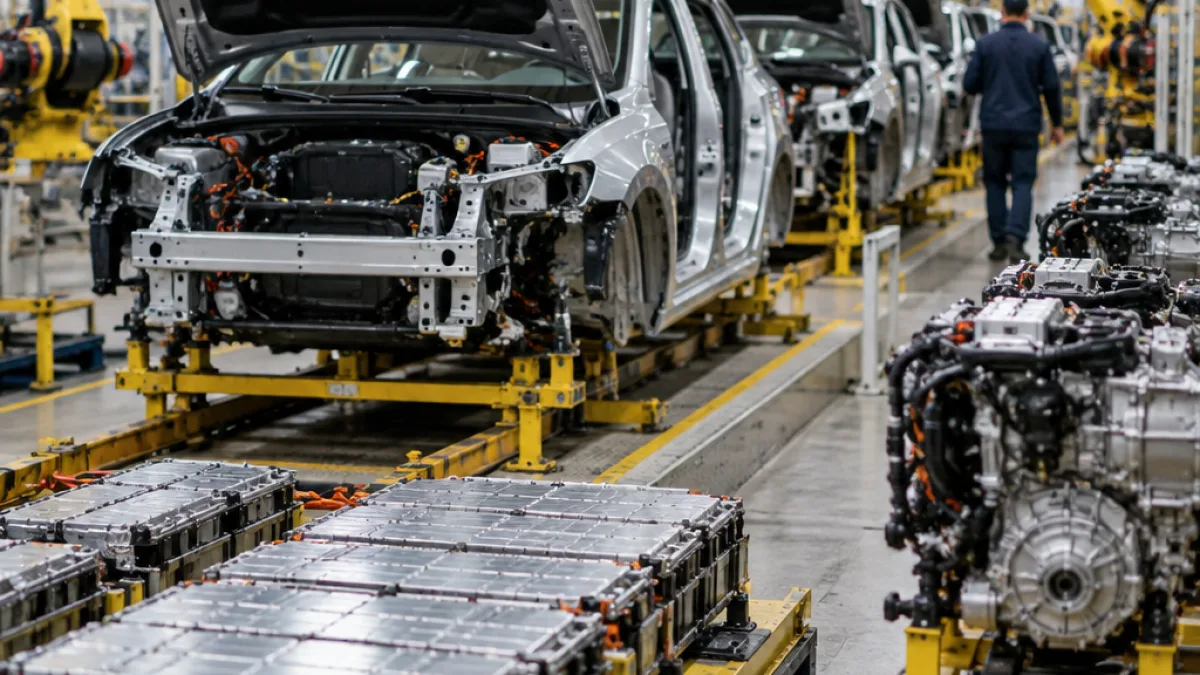
Hybrid vehicles are gaining ground in the U.S. as higher gasoline prices push more consumers to consider cars that combine an internal-combustion engine with electric power. At the same time, growth in fully electric vehicles has slowed, creating a market opening for automakers with established hybrid lineups.
The shift has helped Japanese and South Korean automakers increase sales in the United States during 2026, according to the industry report. Hybrids can operate on gasoline, electric charge or both, giving buyers an alternative to conventional vehicles without requiring an all-electric purchase.
Honda expands production
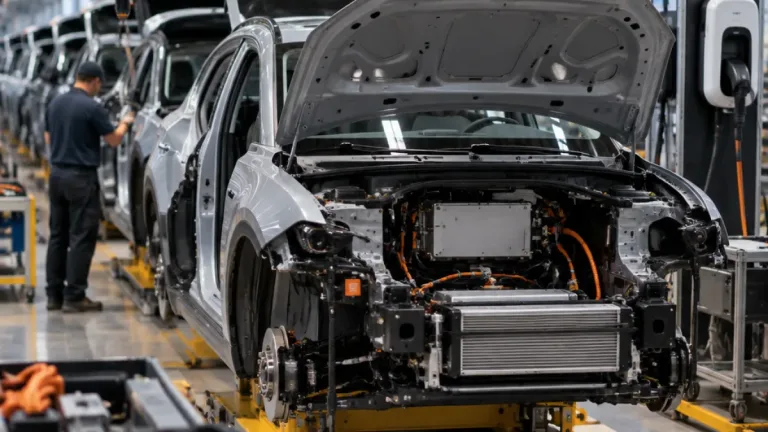
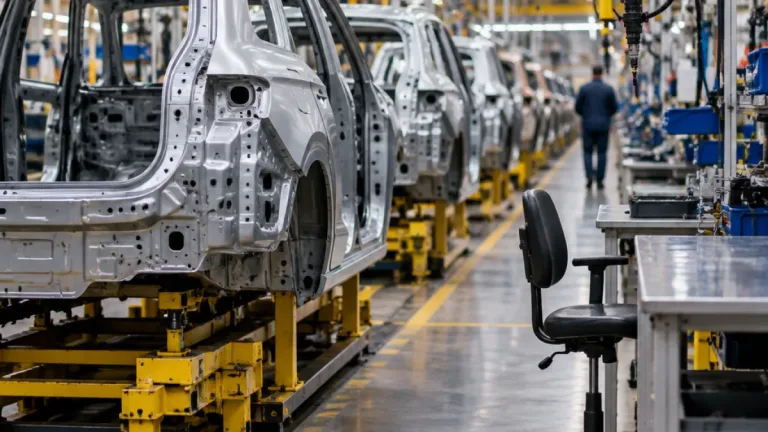
Honda announced this week that it will spend $3 billion to build a new hybrid plant in Ohio and increase capacity at factories in two other states. The investment comes as Honda seeks to challenge Toyota, the current U.S. leader in hybrid sales.
The announcement adds manufacturing capacity to a segment that has become more important as fuel costs rise. The increase in gasoline prices has been linked in the report to the war involving Iran.
- Honda: $3 billion planned for a new Ohio hybrid plant and additional capacity in two other states.
- Toyota: Identified as the U.S. market leader in hybrids.
- Nissan: Introducing its first major U.S. hybrid product this fall.
Nissan moves into a market it had missed
Nissan is launching its first significant hybrid product for the U.S. market this fall. Ponz Pandikuthira, a senior vice president at Nissan Americas, said the company recognized that its limited presence in the category was affecting its ability to attract shoppers.
“We were losing that traffic.” — Ponz Pandikuthira, senior vice president at Nissan Americas
Pandikuthira said many shoppers want to examine and drive a hybrid even when they ultimately choose a vehicle powered solely by an internal-combustion engine. That makes hybrid availability part of the initial shopping process, rather than only a consideration for customers already committed to electrification.
The market movement reflects a broader split in the U.S. transition away from conventional gasoline vehicles. Fully electric vehicle growth has encountered a slowdown, while hybrids are benefiting from buyers who want improved fuel use and some electric operation without moving completely to battery power.
Honda's planned factory and expanded production at existing plants, along with Nissan's new product launch, show how automakers are responding to that demand. Toyota remains the leading hybrid seller in the United States, while Japanese and South Korean manufacturers have recorded sales gains as the technology attracts more shoppers.