Nio warned vehicle owners Sunday about fraudulent text messages falsely claiming that cars are subject to an airbag recall. The company said the messages use its name and the names of regulators to direct recipients to unofficial websites where they may be asked to provide personal information or vehicle documents.
The warning came as Beijing police said scammers have impersonated more than 20 car brands. Police also said one victim lost more than 270,000 yuan, or about $40,500, in the fraud. Nio’s warning was posted through the electric vehicle maker’s official account on Weibo.
“No official recall notice will ask users to submit private information through an unfamiliar text message.” — Nio
Nio said the messages and attached documents circulating in its name are not company recall notices. The automaker urged owners not to click links in suspicious texts, respond to the sender or provide personal information to unidentified parties.
How the fake notices work
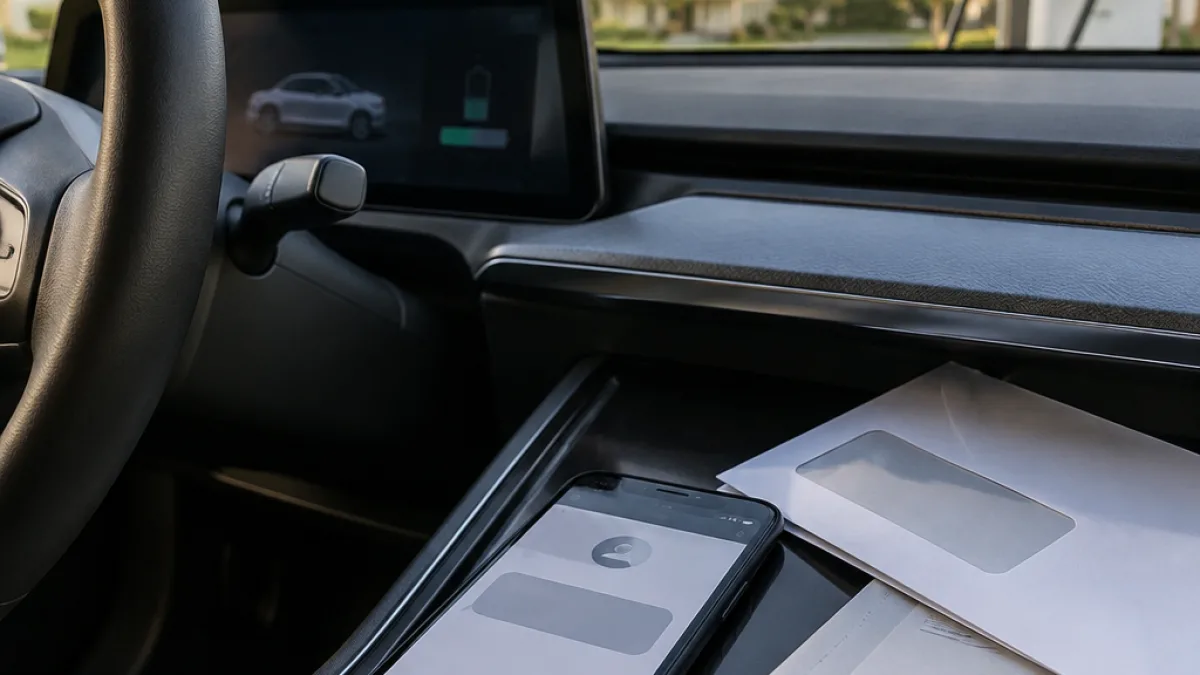
Nio shared examples of the material being used in the scheme. One fake message was sent through Apple’s iMessage service by an unknown sender and told the recipient that the vehicle was covered by a Takata airbag recall. It included the vehicle’s license plate, threatened cancellation of the warranty and demanded that the owner contact customer service within two hours.
The link in that message used a web address beginning with “NIO” but was hosted on an unrelated domain. Another forged document used the letterhead and logo of Shanghai Nio Automobile Co., along with a red seal and a QR code. It falsely said that China’s market regulator had ordered an urgent recall beginning Nov. 1.
- The messages are not recall notices issued by Nio.
- Owners should not open suspicious links or reply to the messages.
- Vehicle owners should not send personal information or vehicle documents to unidentified parties.
Nio said owners who want to verify a recall should use the website of the Defective Product Recall Technical Center operated by China’s State Administration for Market Regulation, known as SAMR, or contact Nio through its official channels. The company also asked customers to reach out to its customer service operation if they are uncertain whether a notice is legitimate.
The warnings illustrate how a genuine vehicle-safety issue can be used as the pretext for a fraud attempt. The fake notices described by Nio combine urgent deadlines, threats involving warranties and links or QR codes that can lead owners away from official recall systems. Beijing police said the impersonation has extended beyond Nio to more than 20 vehicle brands.