
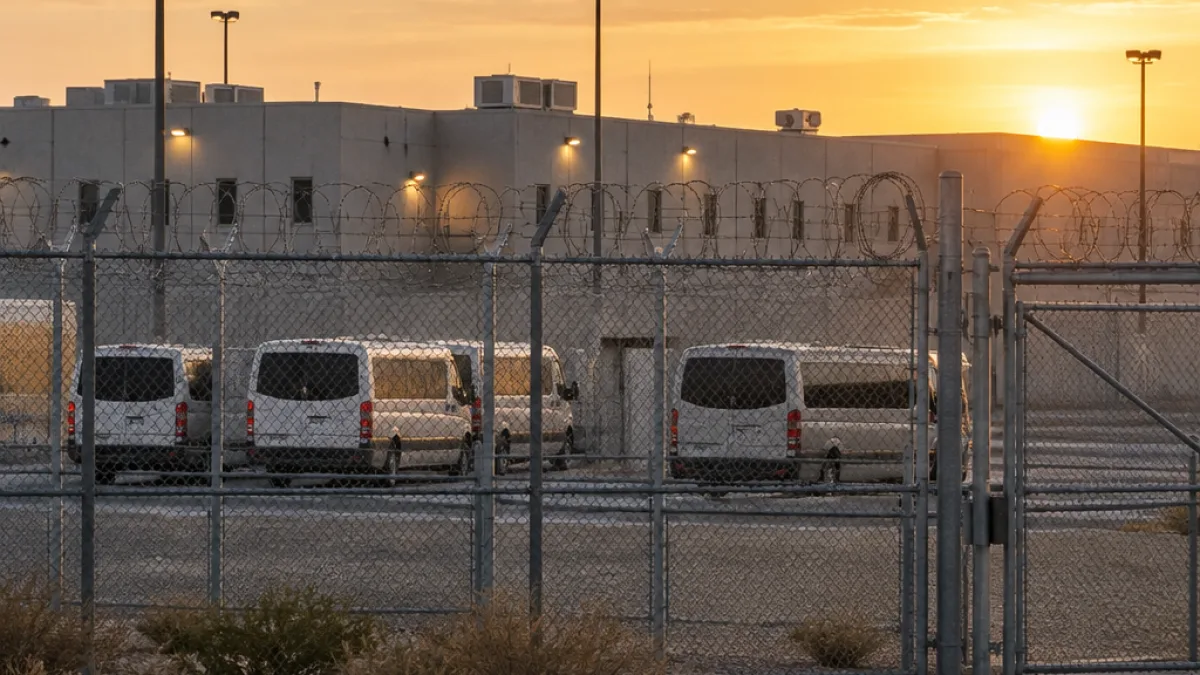
Immigration and Customs Enforcement deported 483,200 people during fiscal year 2026, according to new Department of Homeland Security figures, setting the agency’s highest annual total on record.
ICE also reported more than 491,000 arrests during the fiscal year that ended Sept. 30, including nearly 475,000 administrative arrests. Those arrests involve alleged violations of civil immigration law rather than criminal charges, according to DHS.
Deportations surpassed prior records
The fiscal 2026 deportation total exceeded the previous ICE record of 442,640 removals in fiscal 2025. DHS figures show that the latest number was about 18% higher than the 409,849 removals recorded in fiscal 2012, an agency benchmark from the Obama administration.
The total was also nearly 78% higher than the 271,484 deportations recorded in fiscal 2024, the last full fiscal year of President Joe Biden’s administration. ICE reported 50,925 arrests in August alone, according to the figures.
- 483,200: people deported by ICE in fiscal 2026
- 491,000-plus: immigration arrests reported during the fiscal year
- Nearly 475,000: administrative arrests included in that total
Enforcement extended beyond the border
The figures reflect the expansion of the Trump administration’s immigration enforcement campaign into communities across the country, rather than focusing only on activity near the southern border. The campaign has made interior enforcement a central part of President Donald Trump’s second term.
The new numbers come after the midterm elections, in which Republicans suffered broad losses, according to CBS News. Trump has acknowledged that aspects of the deportation campaign may have gone too far, while also elevating Stephen Miller, who has helped shape the administration’s immigration policies, to White House chief of staff.
Public views remain divided
CBS News polling has found broad support for stronger border security alongside growing discomfort with the way immigration laws are being enforced in communities nationwide. The combination reflects a divide between support for controlling immigration and concerns about the scale and methods of interior enforcement.
The fiscal-year figures provide a measure of the federal government’s enforcement activity under the administration’s expanded immigration program. They include both removals and arrests carried out by ICE during the 12-month period ending Sept. 30.