
OpenAI has introduced ChatGPT Wallet, a payments feature that allows its Dots artificial intelligence agents to buy products for users after a required review and approval. The launch moves ChatGPT beyond product discovery and comparison into the transaction itself, while keeping the user in control of each purchase.
The service will initially be available to Pro subscribers in the United States who are at least 18 years old. It will not initially work in ChatGPT’s Chat or Work interfaces, or in independent threads of OpenAI’s Codex programming platform.
How the wallet works
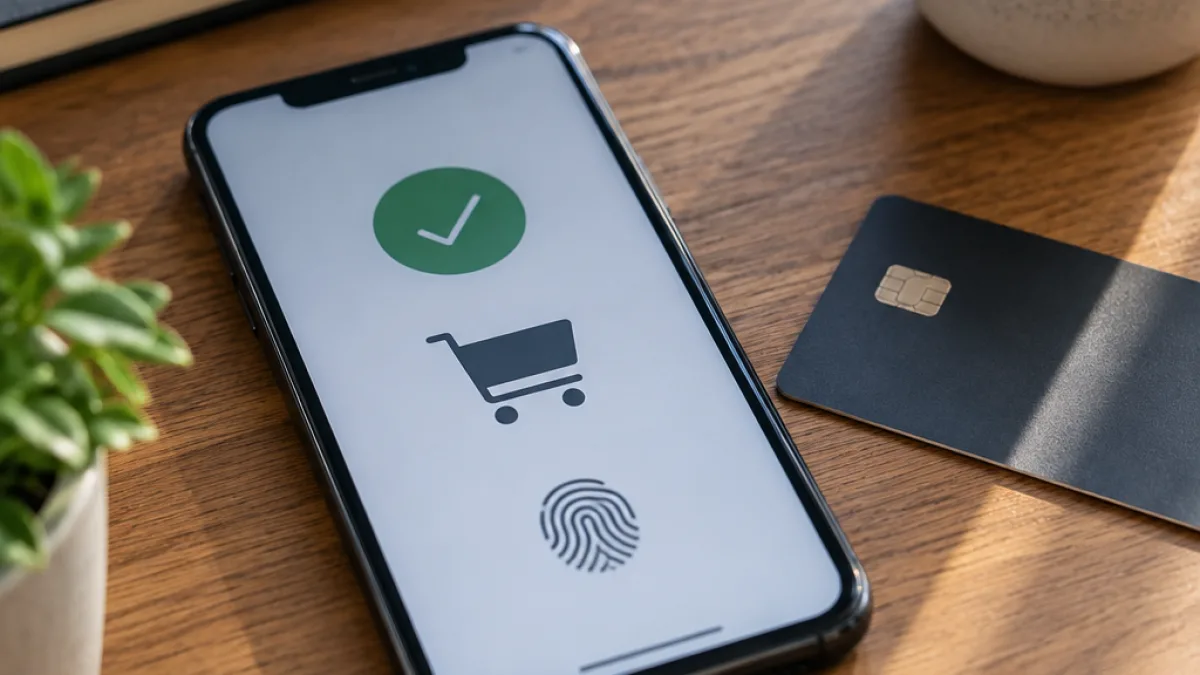
Users enter their card information once and can then ask a Dot to find products to purchase. Before the transaction is completed, the user reviews the items, the total and the selected card. A security check, such as Face ID or a fingerprint scan, is required for every purchase.
OpenAI said Dots do not receive the user’s actual card details. Instead, American Express, Mastercard and Visa provide a transaction-specific payment token containing a limited-use card number, security code and expiration date. The token is intended for that individual transaction rather than serving as a reusable version of the user’s card.
- Users add a payment card one time.
- Dots search for products and prepare the transaction.
- The user verifies the purchase before payment is processed.
- Card rewards and purchase-dispute protections remain available.
“If someone has found an item they want to buy, the next step is to take them through to completing the purchase.” — Chaya Nayak, OpenAI’s head of monetization and payments products
Nayak said OpenAI developed the wallet with the three major payment networks and is focusing at launch on relationships with merchants and those network partners. OpenAI will not initially take a share of transactions, according to the company, as it builds the service and works with businesses that accept purchases through its agents.
OpenAI’s shopping expansion
The wallet follows several earlier steps by OpenAI into online commerce. The company introduced an instant-checkout feature last fall, then changed direction. In March, it launched a shopping feature designed to help users search for products and compare them. ChatGPT Wallet adds the payment step to that shopping process.
OpenAI also released tools and guidance for merchants alongside the wallet. The materials are intended to help companies prepare their websites for OpenAI agents and avoid unintentionally blocking them during browsing or checkout. The company described the rollout as part of a broader effort to establish a framework for agent-assisted shopping.
The product places an AI agent between a shopper and a merchant while retaining a human approval step. OpenAI’s tokenized-card system is designed to limit the information available to the agent and the seller during a transaction, while the identity check is intended to confirm the user’s authorization immediately before the purchase.
For now, the rollout is limited by subscriber eligibility, age, location and the ChatGPT interfaces that support it. OpenAI’s initial plan centers on purchases that users explicitly approve, rather than allowing Dots to spend without a separate confirmation for each transaction.