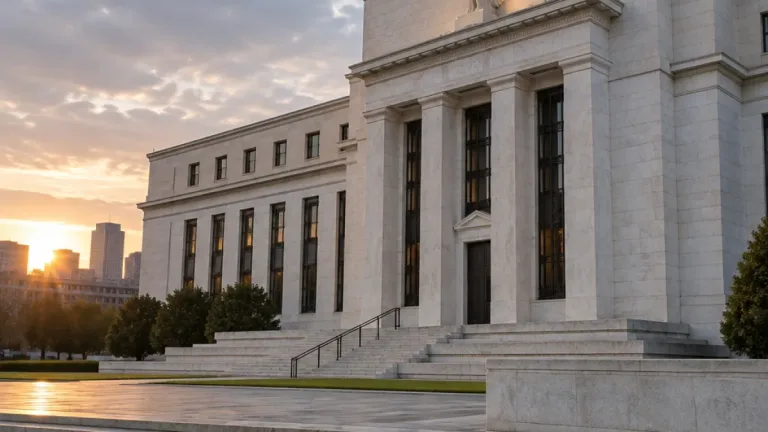
The developing El Niño weather pattern could add to inflationary pressure in the United States in 2027, according to a study released Monday by the Federal Reserve Bank of San Francisco.
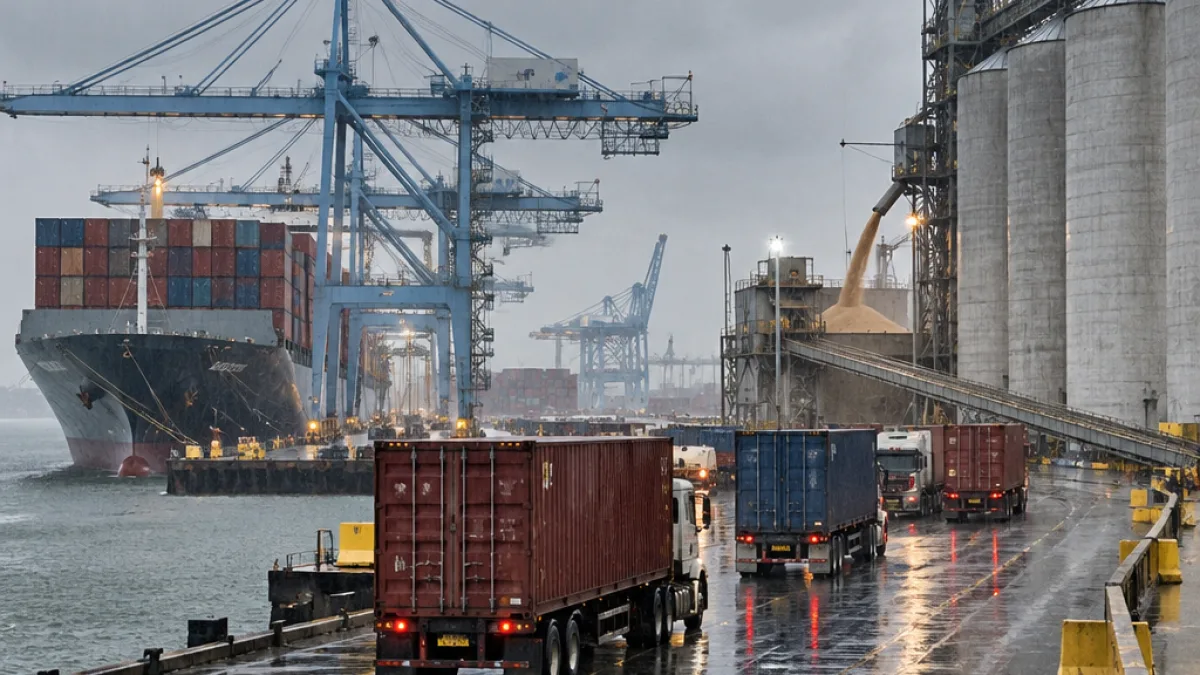
The researchers said the climate phenomenon could disrupt agricultural production, energy demand and the movement of goods. Those effects could raise food supplies’ costs and increase expenses for businesses, households and other parts of the economy.
Weather risks and the economy
El Niño can bring drought to some regions, flooding to others and higher temperatures in various parts of the world. The World Meteorological Organization forecast last month that the developing event could become one of the strongest on record. The organization also expects sea surface temperatures to reach additional records in the coming months.
The San Francisco Fed researchers — Molly Arden, Toby Graf and senior economist Brigitte Roth Tran — said the economic effects on the U.S. remain difficult to predict. They noted that better weather forecasting gives companies, households and policymakers more time to prepare than they had in earlier periods.
- Droughts or floods could reduce agricultural output, affecting food supplies and production costs.
- Fertilizer-market disruptions and energy-supply bottlenecks could interact with the weather pattern.
- More integrated global markets could make the U.S. economy more exposed to shocks originating overseas.
The researchers also warned that several effects could occur at the same time, making the overall economic impact harder to assess. Changing weather could alter energy demand and complicate the distribution of goods, while disruptions to fertilizer markets could add to costs for producers.
Inflation and employment
The study identified risks to rising prices but also said El Niño is expected to generate additional jobs. Its effects could extend beyond the weather-sensitive industries directly involved in agriculture, energy and transportation because global supply chains connect U.S. businesses to overseas markets.
The potential weather-related pressure comes as the U.S. economy is already being assessed against other forces that could affect prices. The Federal Reserve is monitoring demand connected to artificial intelligence, while some analysts have said financial conditions remain insufficiently tight to significantly slow economic activity.
The study said improvements in forecasting may help limit some disruptions, but the researchers cautioned that interactions among extreme weather, supply chains, energy markets and food production make the economic results uncertain. The Federal Reserve has kept its benchmark interest rate under review as it evaluates inflation and broader economic conditions.