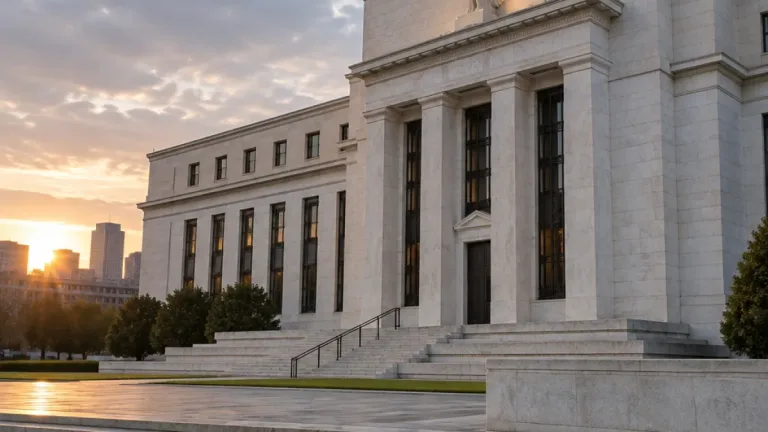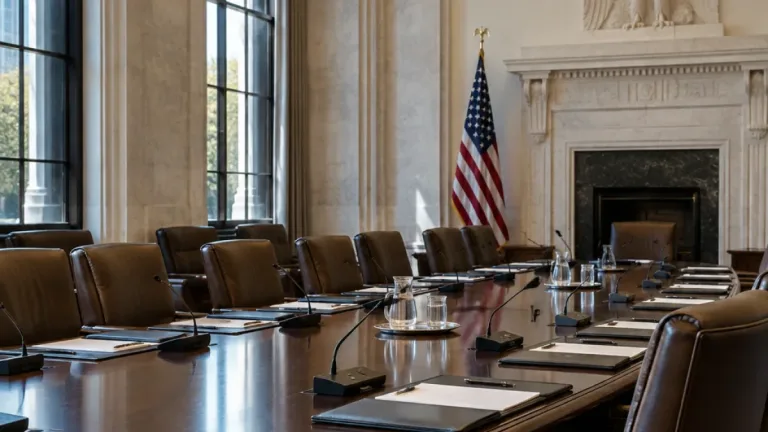

The Federal Reserve entered 2026 expecting inflation to continue easing and leaving room for interest-rate cuts. Instead, renewed price pressure led the central bank to raise rates in September, its first increase since 2023, as inflation remained above the Fed’s 2% target for more than five years.
The latest data have reinforced concerns inside and outside the central bank. The consumer price index rose 0.4% in October from the previous month, exceeding the 0.3% increase economists surveyed by Dow Jones had expected. Core CPI, which excludes food and energy prices, increased 0.3%, compared with a forecast of 0.2%.
Traders are now assigning a high probability to another increase at the Federal Open Market Committee’s final meeting of the year, scheduled for Dec. 8. The CME FedWatch tool showed nearly 88% of traders expecting a quarter-point move, while the remainder anticipated a half-point increase.
Inflation remains a central concern
The persistence of higher prices has kept the cost of living at the center of the economic debate. Vice President JD Vance cited inflation as one reason the Republican Party lost significant ground in the midterm elections.
“We’ve got a real inflation issue on our hands that has been developing.” — Chicago Federal Reserve President Austan Goolsbee
Goolsbee made the comment in a Tuesday interview with PBS NewsHour. He said prices were “on everyone’s mind” and described recent inflation readings as “borderline disturbing.” The comments reflected the challenge facing policymakers as they weigh whether current price increases are likely to persist.
Federal Reserve Governor Christopher Waller said Tuesday that a stronger-than-expected inflation report could lead him to support a half-point increase in December. Waller said such a move should be considered if core CPI rose by about 0.3%, the figure reported for October.
The inflation outlook has also been affected by the changing impact of President Donald Trump’s tariffs. At the beginning of the year, economists had expected the shock from the tariffs to fade, while the broader inflation trend appeared to be moving lower. The Federal Reserve’s policy stance has since shifted as price growth has remained elevated.
- September: The Fed raised its benchmark interest rate by 25 basis points, its first increase since 2023.
- October: Overall CPI rose 0.4% and core CPI increased 0.3% from the prior month.
- December: Traders overwhelmingly expect another increase, though the size of the move remains unsettled.
The December meeting will be the next scheduled decision point for policymakers. Market expectations currently center on another quarter-point increase, while the stronger move backed by some officials would amount to 50 basis points.