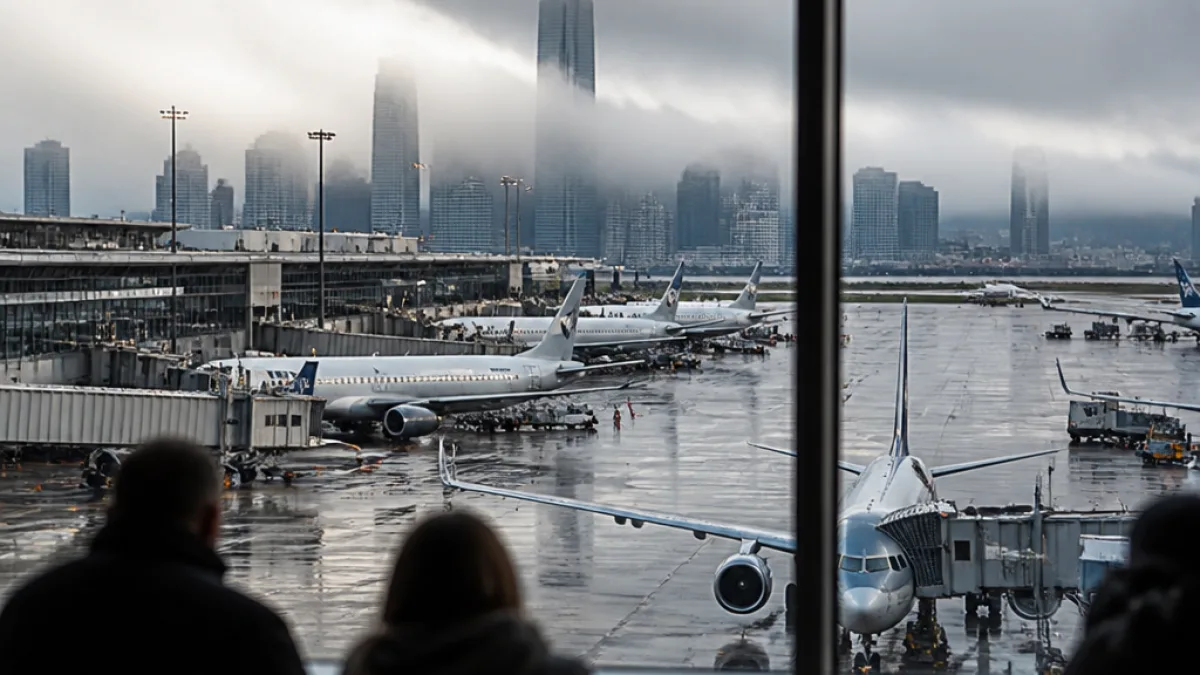
Flight disruptions spread across the U.S. on Thursday, with at least 580 delays and 53 cancellations recorded at U.S. airports by midmorning, according to FlightAware. The figures covered flights arriving at or departing from the country as of 10:06 a.m. ET.
FlightAware, which tracks delays and cancellations in real time, also reported more than 8,604 delays and 459 cancellations worldwide at that point. The U.S. figures represented a snapshot of operations during the morning and could change as airlines adjusted schedules and weather conditions developed.
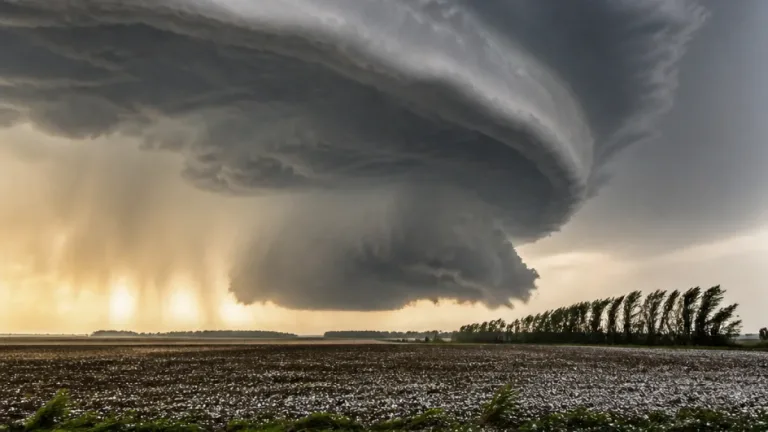
Airports facing low-cloud disruption
The Federal Aviation Administration said low clouds could affect flights at airports serving Austin, San Antonio, Seattle and the Washington, D.C., area. The airports identified by the FAA included Austin-Bergstrom International Airport, San Antonio International Airport, Seattle-Tacoma International Airport, Baltimore/Washington International Thurgood Marshall Airport, Ronald Reagan Washington National Airport and Washington Dulles International Airport.
Low clouds can require changes to flight operations and may contribute to delays when aircraft need additional spacing or when visibility affects arrivals and departures. The FAA’s notice identified the weather factor at those airports but did not provide a national total attributable to low clouds.
What travelers are being told
Passengers with flights scheduled through affected airports were advised to check their airline’s website or mobile application regularly. Airlines use those channels to post changes involving departure times, cancellations and gates. Enabling notifications can provide alerts as schedules change.
- Check the flight status directly with the airline before leaving for the airport.
- If the airline cancels a flight, review available rebooking options as soon as possible.
- Keep essential items in a carry-on bag during extended disruptions.
- Passengers with connections should allow additional time when traveling through busy airports.
Airlines’ refund and rebooking policies may apply differently depending on the circumstances of a delay or cancellation. Travelers were advised to review the policy for their specific reservation, particularly if a disruption extends their trip.
“A cancellation feels like chaos, but the travelers who come out of it best treat a disruption as a planning problem rather than an emergency.” — Eryn Gordon, a speaker on ethical and responsible travel
Gordon also advised travelers to save or capture the applicable rebooking policy before a trip. The guidance came as FlightAware’s tracking showed disruptions affecting airports in the U.S. and around the world.
The reported delays and cancellations followed a morning in which the FAA was monitoring conditions at airports in Texas, Washington state and the Washington, D.C., region. Passengers flying Thursday were encouraged to confirm their status with the operating airline because airport schedules can change after initial tracking figures are posted.