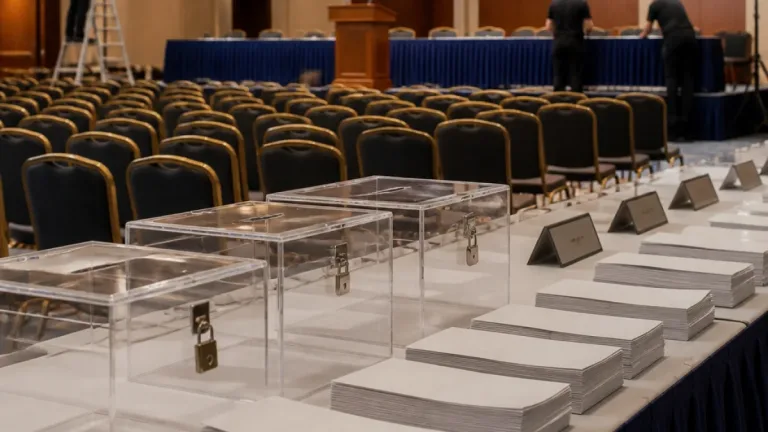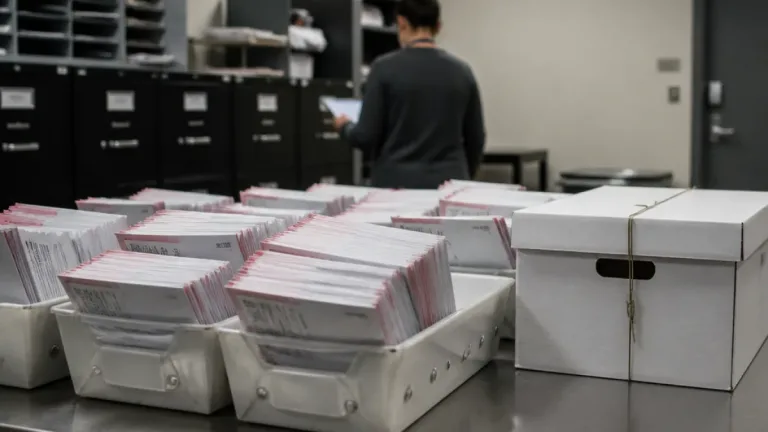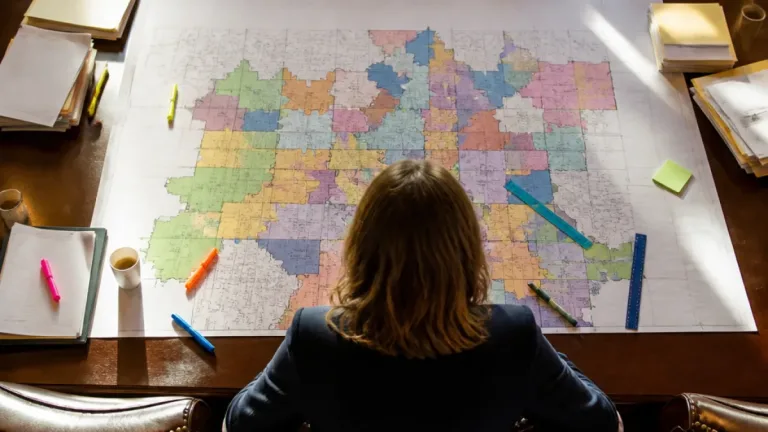
Some of the races in Tuesday’s midterm elections could remain unresolved after voting because of recounts, court challenges or formal contests. State officials conduct and certify federal elections, but the U.S. Constitution gives the House and Senate authority to determine which candidates are seated when congressional results are disputed.
The provision could become important if a small number of close contests determines control of Congress. The Constitution says each chamber is “the judge of the elections, returns and qualifications of its own members,” giving lawmakers a role beyond the certification process carried out by state election officials.
How challenges move through Congress
In the House, a losing candidate may contest a state-certified result under the Federal Contested Election Act. The House Administration Committee reviews the challenge and can recommend to the full House which candidate should be seated. The House then makes the final decision in the case.
Senate challenges are referred to the Senate Rules Committee. That panel reviews the case and sends a recommendation to the full Senate, which decides whether the challenged candidate will take the seat.
- State officials conduct federal elections and certify the results.
- House election contests are reviewed first by the House Administration Committee.
- Senate challenges go to the Senate Rules Committee before consideration by the full chamber.
The possibility of congressional challenges comes nearly six years after supporters of President Donald Trump attacked the U.S. Capitol on Jan. 6, 2021, as Republicans sought to overturn his 2020 defeat by Democrat Joe Biden. Experts said close results could prompt candidates, outside groups and the administration to pursue challenges beginning at the state level.
“Those within the recount or contest margin of error – the candidates, outside groups and the administration – will fight those tooth and nail,” Victoria Bassetti, senior adviser at the States United Democracy Center, said.
States United Democracy Center is a nonprofit organization focused on protecting what it describes as free, fair and secure elections. Bassetti’s comments concerned races close enough to fall within the margin of error for a recount or contest.
Election litigation has increased
Disputes over election results have become more common since the U.S. Supreme Court’s 2000 decision that resolved the presidential contest between Republican George W. Bush and Democrat Al Gore. A compilation by UCLA law professor Rick Hasen counted 756 cases during the 2023-2024 election cycle, a 14.3% increase from the 2019-2020 cycle and about three times the level recorded before 2000.
The number of cases alone does not determine whether a congressional seat will be contested or how a challenge will be resolved. Candidates and sitting members can initiate challenges under the procedures governing the House and Senate, while the chambers retain authority to act on their own elections, returns and qualifications.
With the midterm elections set for Nov. 3, the process for resolving a close congressional race can therefore extend beyond the state certification of votes. A disputed result may proceed through recounts or litigation before reaching the relevant congressional committee and, ultimately, the full House or Senate.